
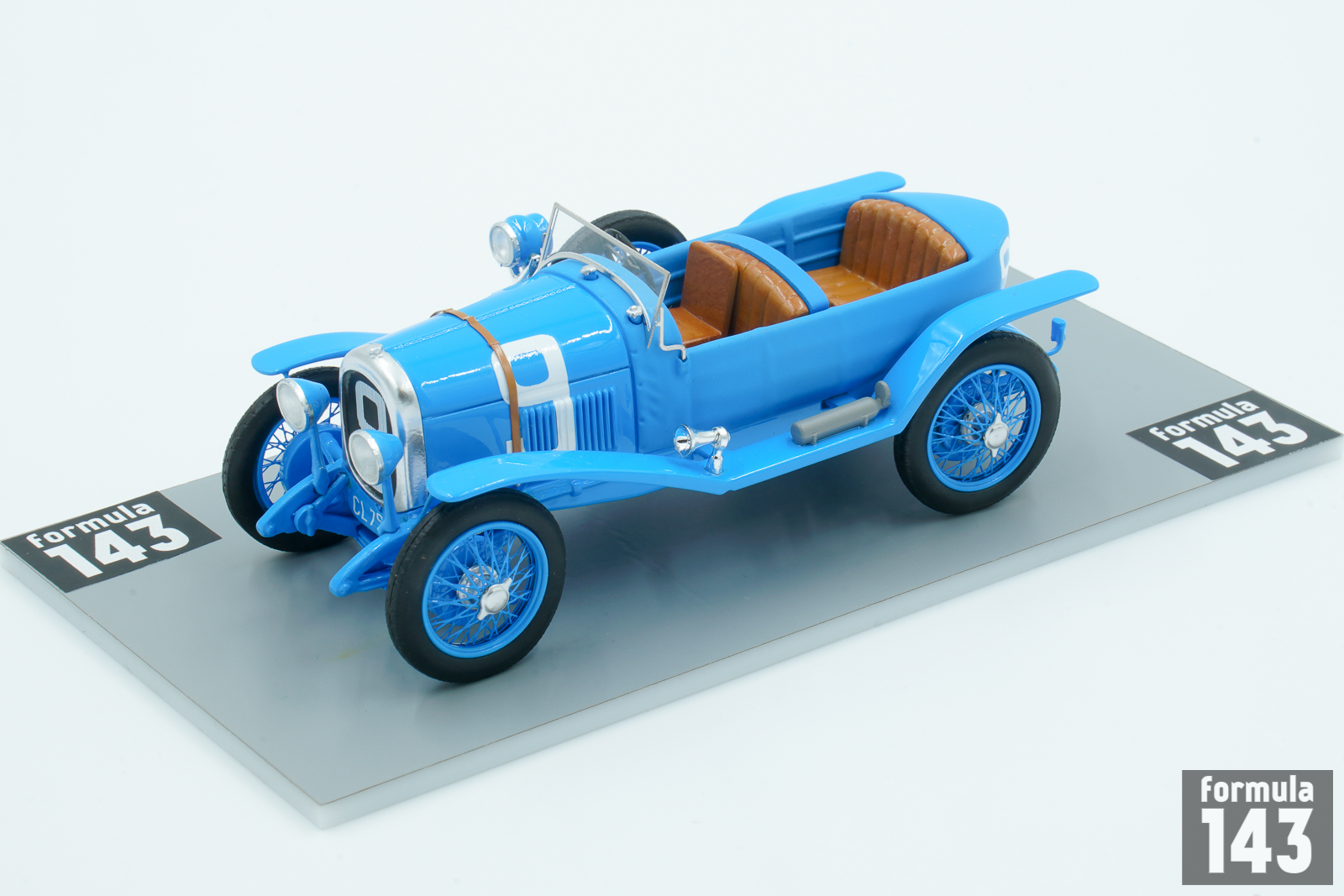
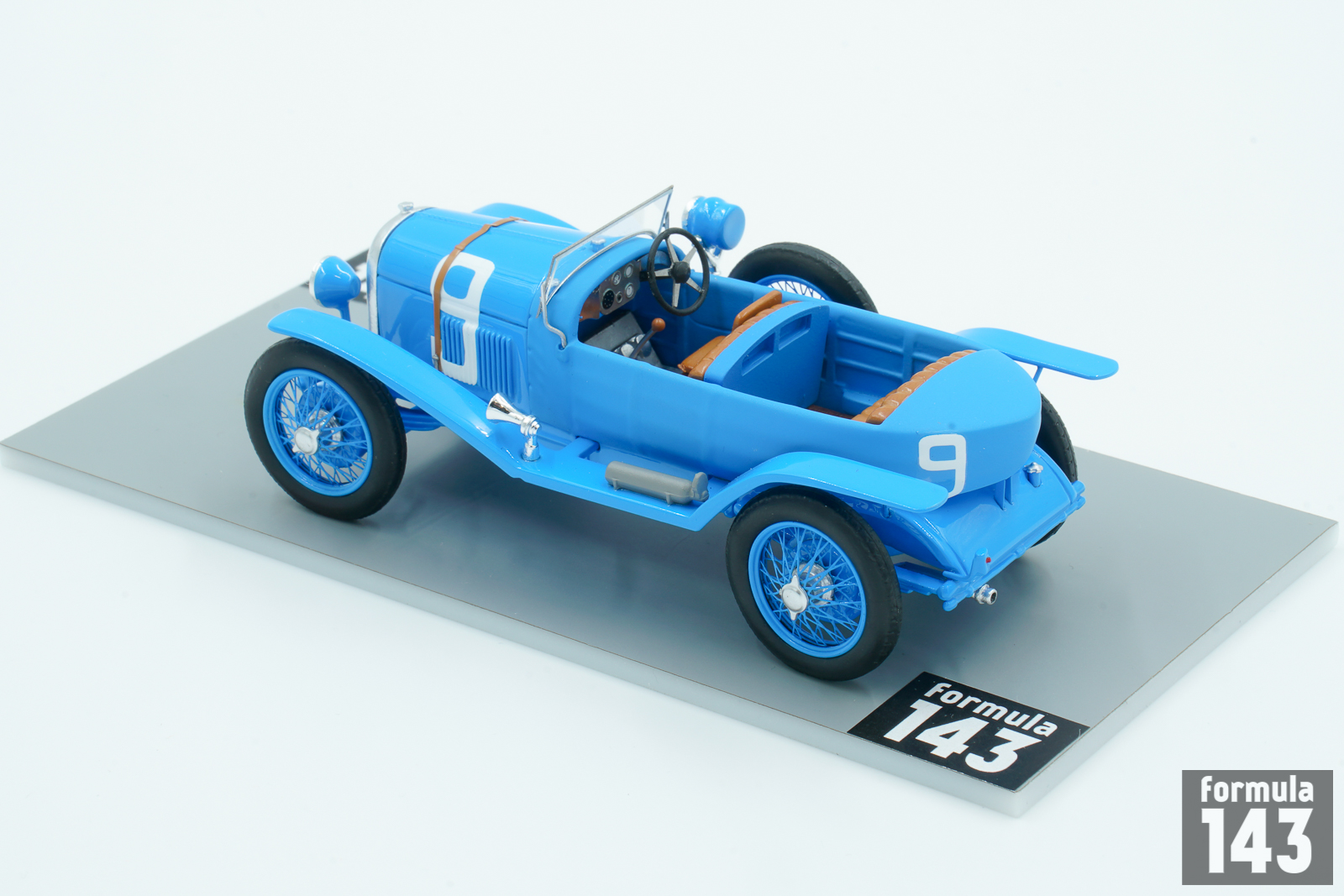
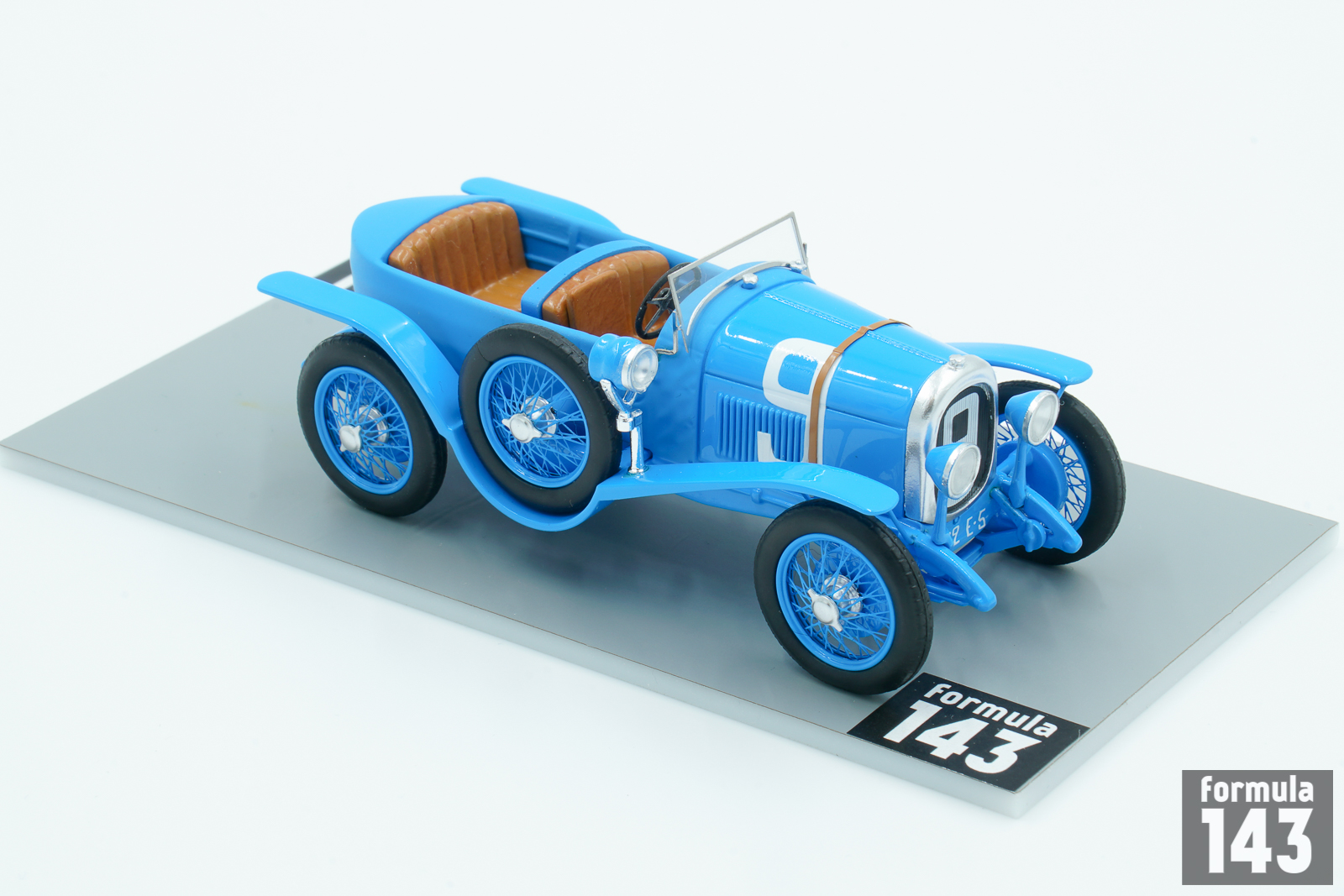
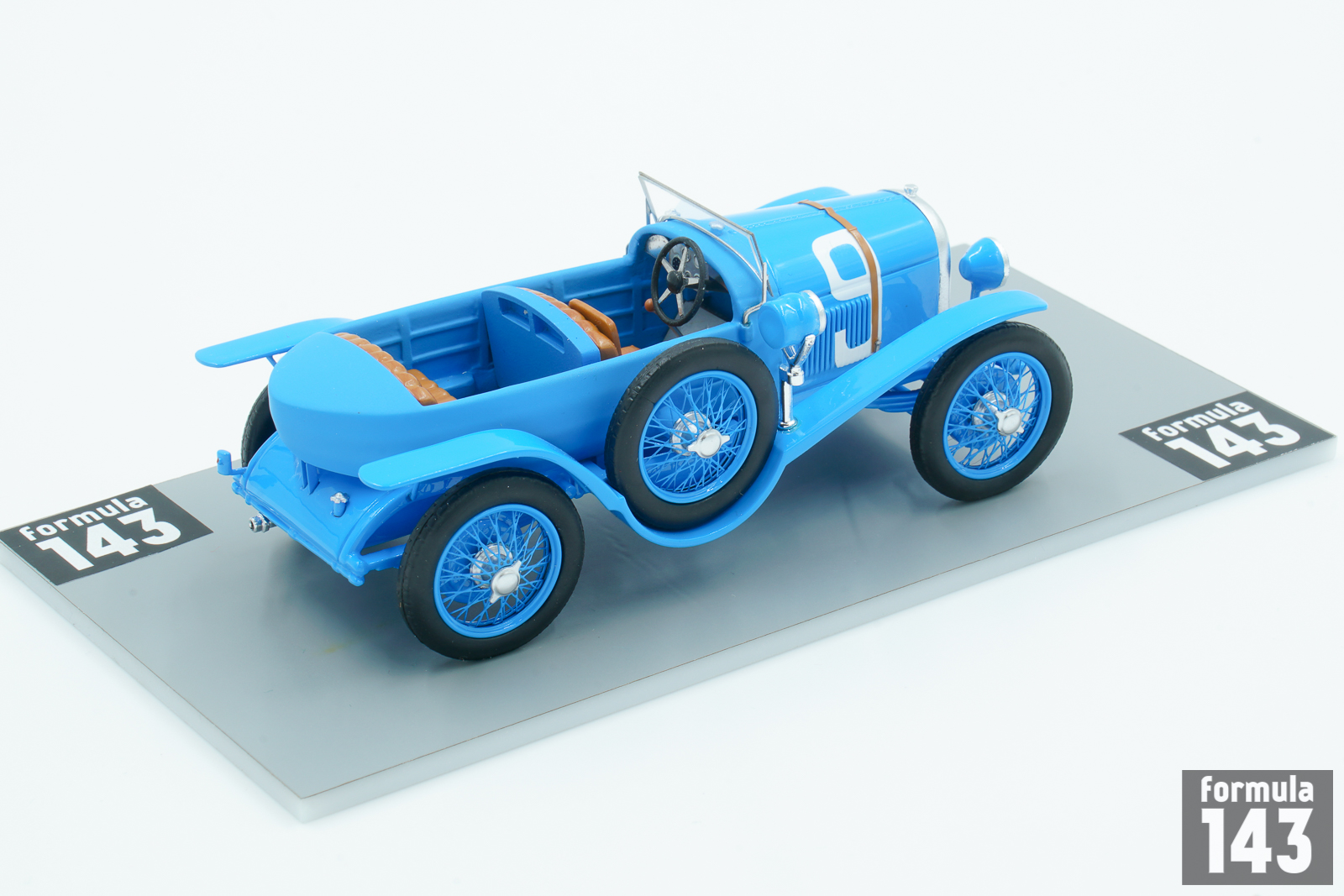
The 24 Hours of Le Mans was first run on 26 and 27 May 1923, through public roads around Le Mans. The full name of the race was Grand Prix d’Endurance de 24 Heures Coupe Rudge-Whitworth. Originally planned to be a three-year event awarded the Rudge-Whitworth Triennial Cup, with a winner being declared by the car which could go the farthest distance over three consecutive 24-hour races, this idea was abandoned in 1928. All cars had to be standard four-seater production models, except those under 1100cc which could be two-seaters where at least thirty cars had been built. The vehicle had to carry 60 kg lead ballast for each passenger space aside from the driver. A maximum of two drivers were allowed (but not riding together), and they alone could replenish the fluids (petrol, oil and water), although there was no minimum distance between refills as in later years.
There were 37 entries, all submitted by the manufacturers rather than individual drivers, and 33 cars started the race – predominantly French blue cars except for a single green Bentley from Great Britain and two Belgian Excelsiors in yellow. Two Chenard et Walker cars of René Léonard / André Lagache and Christian Dauvergne / Raoul Bachmann finished 1–2 and covered 128 and 124 laps, respectively.
The Chenard-Walcker of Leonard and Lagache is often cited as the inaugural winner of the Le Mans 24 Hours, which it was on distance. However, the regulations stipulated it was merely the first of three annual races with the winner being the one who exceeded their minimum stipulated by the greatest ratio. In fact, the leader at this first stage of the event (and awarded the Rudge-Whitworth Coupe Interim) was the 1.1-litre Salmson of Desvaux and Casse that finished 12th but had exceeded its target distance by 46 laps (188.5% ratio exceeded). Lagache and Leonard were only 6th in the Interim Coupe Triennale Rudge-Whitworth classification (162% ratio exceeded).
Chenard-Walcker was a major Parisian automotive company, established in 1899 by Ernest Chenard (1861–1922), a railway engineer and maker of bicycles, and mining engineer Henri Walcker (1877–1912). At the time of first Le Mans race Chenard and Walker was one of the French biggest suppliers of taxis. The factory racing team was set up by Lucien Chenard, son of the founder, in 1921. Lagache and Léonard were both engineers and test drivers at Chenard-Walker. The second team’s car at the 1923 Le Mans was the same Walker U3 15CV Sport model driven by Raymond Glaszmann and Fernand Bachmann, businessman and administrator of Chenard-Walcker establishement. The finished 7th. The third car, which finished 2nd, powered by less powerful U2 engine, was run by Bachmann’s brother Raoul with veteran Christian Dauvergne.
The Chenard-Walcker company to run Le Mans in 1925 and 1926. Following the 1926 season, Chenard et Walcker withdrew from competition.
| Season | Series | Event |
| 1923 | Le Mans | 24 Hours of Le Mans |
| Drivers | No. | Entrant |
| Andre Lagache / Rene Leonard | 9 | Chenard & Walcker SA |
| Class | Position | Note |
| 3.0 | 1 | |
| Scale | Manufacturer | Collection |
| 1:43 | Spark | |
| Cat. No. | Quality | Rarity |
| 43LM23 | 
| 
|
 formula143