by Vadim Stepanov, Formula143.org
Motorsport in the USSR and Eastern Bloc countries: their own way
After World War II when the Formula One World Championship was born and when the international motor racing was growing at a rapid pace, the motorsport behind the Iron Curtain, in USSR and socialist countries, was the thing in itself. Racers from the USSR were deprived of the opportunity to participate in major international races. However, motorsports in the Eastern Bloc developed according to its own laws and were very competitive, although in the technical component it lagged significantly behind. Soviet Union even had its own Formula 1 championship, which was held from 1960 to 1976. Of course, the level of cars and racers was far from the World Championship.
The largest international championship in the Eastern Bloc was the Cup of Peace and Friendship (also known as Friendship Cup of Socialist Countries). The cup was played from 1963 to 1990. Each year, several races were held in the USSR, the GDR, Czechoslovakia, Poland, Bulgaria, and Romania. Until 1964, championships were held according to the rules of Formula Junior, then Formula Three. Since 1972 cars, had to meet the requirements of Formula Easter (Vostok). In 1973 the touring car championship was also introduced. National championships in various minor formulae were also held in USSR, East Germany, Czechoslovakia and some other socialist countries.
Unlike western racing teams, which had sufficient financial and technical resources, Soviet automobile designers, with a few exceptions, created racing cars in their garage workshops. Thus, in the Soviet national Formula 1, especially in the first years of its existence, as a rule, self-made cars participated, the basis for which were units of serial cars, assembled, mainly, individually. Only the large AZLK plant manufactured “Moskvich” racing cars in several copies, and the GAZ-21 engine was used in many racing cars practically the entire existence of the national Formula 1.
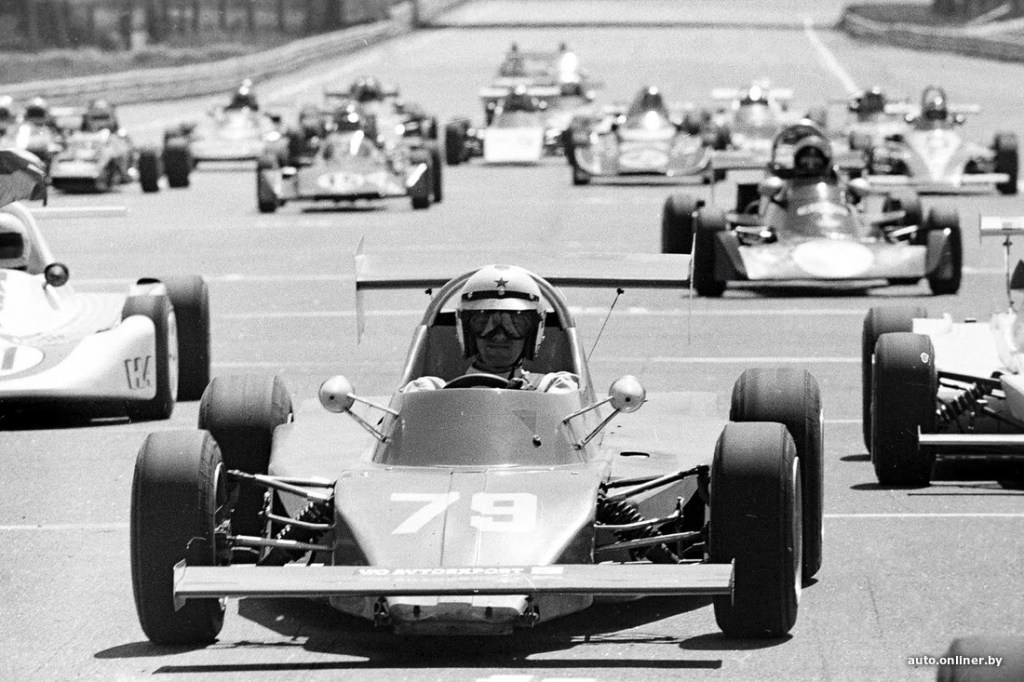
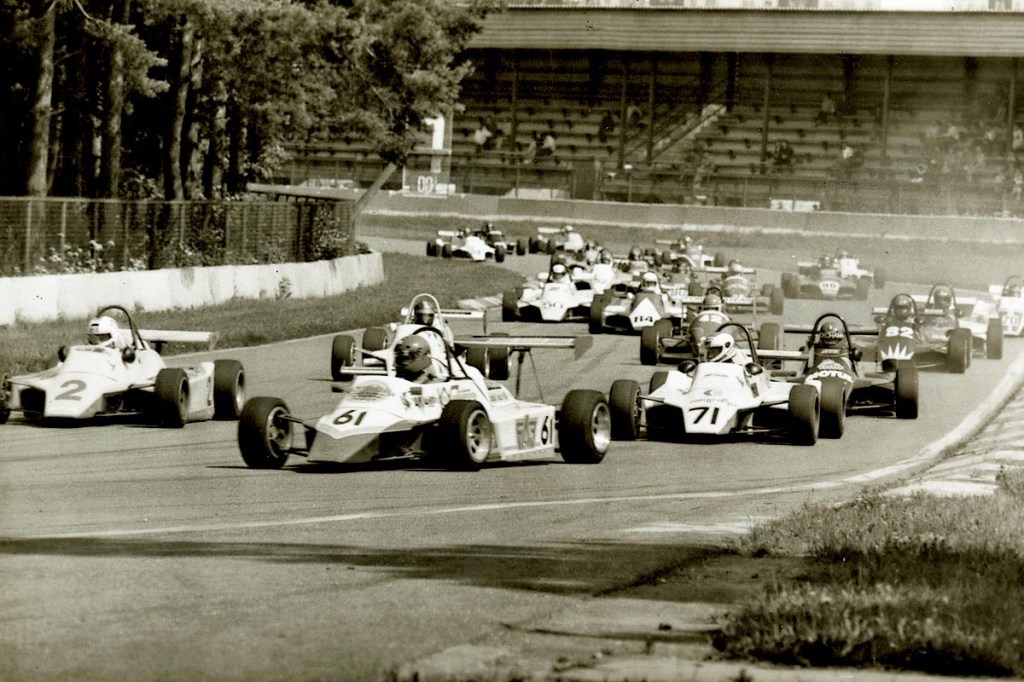
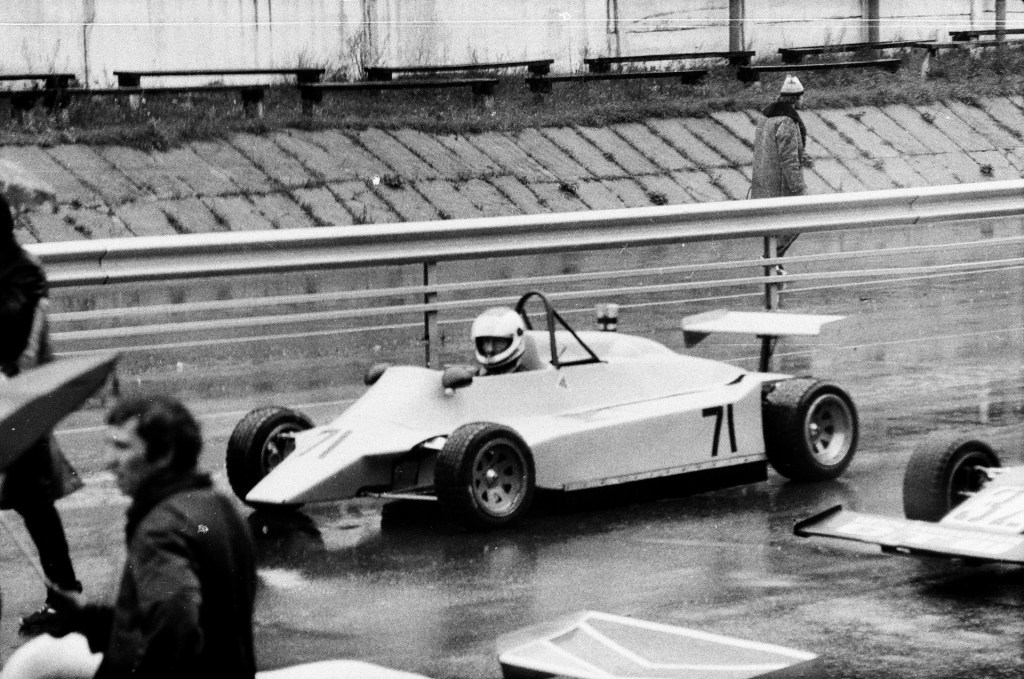
Formula Easter, Peace and Friendship Cup race at Borovaya circuit, Minsk, 1970s (photo source: auto.onliner.by) | Last USSR championship was held in 1991. Formula 1660 race at Bikernieki, Riga (photo source: unknown)
Racing cars from Tallinn
Against this background, the only exception was, perhaps, the Tallinn Experimental Automotive Repair Plant (TOARZ or TARK in Estonian) in the Estonian SSR, which from 1958 to the early 1990s produced racing cars for formulae 3, 4, Junior and Easter (Vostok) in a run of up to fifty units per year. TARK cars were designed and manufactured under the brand name Estonia. The most successful and progressive TARK racing car definitely was Estonia 21, which appeared in 1980. Estonia 21 won the Friendship Cup of Socialist Countries four times in a row (1987-1990), proving itself to be one of the most successful single-seater models in the Eastern Bloc and, definitely, the best racing car ever made in the USSR.
Estonia 21 designed by racing engineer and driver Raul Sarap, was a real breakthrough in USSR motorsport. The Estonia was the first to use ground effect to improve aerodynamics and was created with an eye on the Lotus 81. TARK engineers admitted that at that time they considered the Lotus team to be the trendsetter in the world of formula racing. Estonia 21 bodywork was a spatial frame made of 32 mm diameter pipes with an additional frame made of 22 mm pipes at the rear, on which the engine and transmission were mounted. The fiberglass body panels were glued by hand and had. The brakes on all wheels were disc brakes, located at the rear near the main gear. The elastic elements of the front wheel suspension were located inside the nose cone, and the rear ones were positioned near the main gear. In the side pontoons behind the radiators, there were profiles in the form of an inverted wing, when air flowed under them, a vacuum was created, pressing the car to the road. The sides had seals at the bottom in the form of elastic curtains.
The Estonia 21 was produced from 1980 to 1991 – a total of 295 cars of all modifications were built. A VAZ engine with a volume of 1300 or 1600 cm³ was used, with a five-speed gearbox. Depending on the engine capacity, Estonia cars were suitable for Formula 3, Formula Easter (Formula Vostok) and, later, Formula Mondial.
After the original 21 model, the Estonia-21M (1985-1987) appeared – a modification of the Estonia-21, lightened to 420 kg, with a frame almost five times more rigid, with a modified layout of units and assemblies, reduced brake weight and other innovations. Toomas Napa won the Friendship Cup of Socialist Countries driving the 21M in 1987.
Estonia-21.10 appeared in 1986 and was the final modification of the Estonia 21, additionally lightened by 11 kg compared to the 21M, with multiple changes to the frame, suspension, and brake system. It had two versions: one for sale to sports clubs and sections, and a version for the USSR national team, with a body lightened by 10 kg and changes in the suspension. It was the 21.10 that provided the greatest successes of Soviet drivers in the Cup of Peace and Friendship, three consecutive victories in the Cup were achieved by Viktor Kozankov in 1988 and 1989, and Alexander Potekhin in 1990.
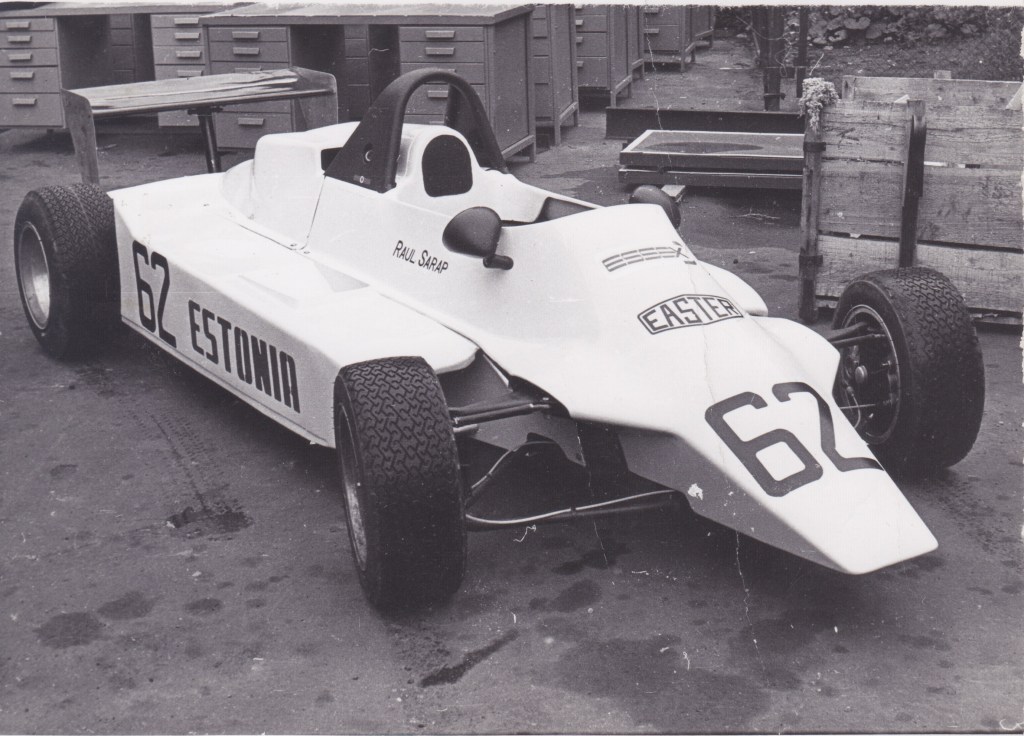
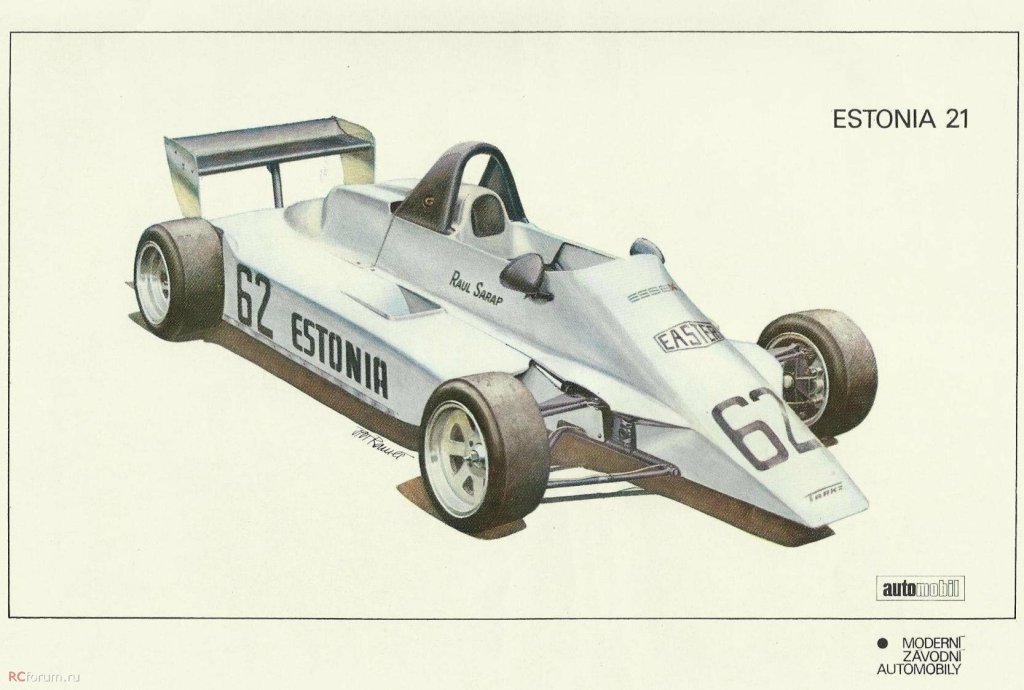
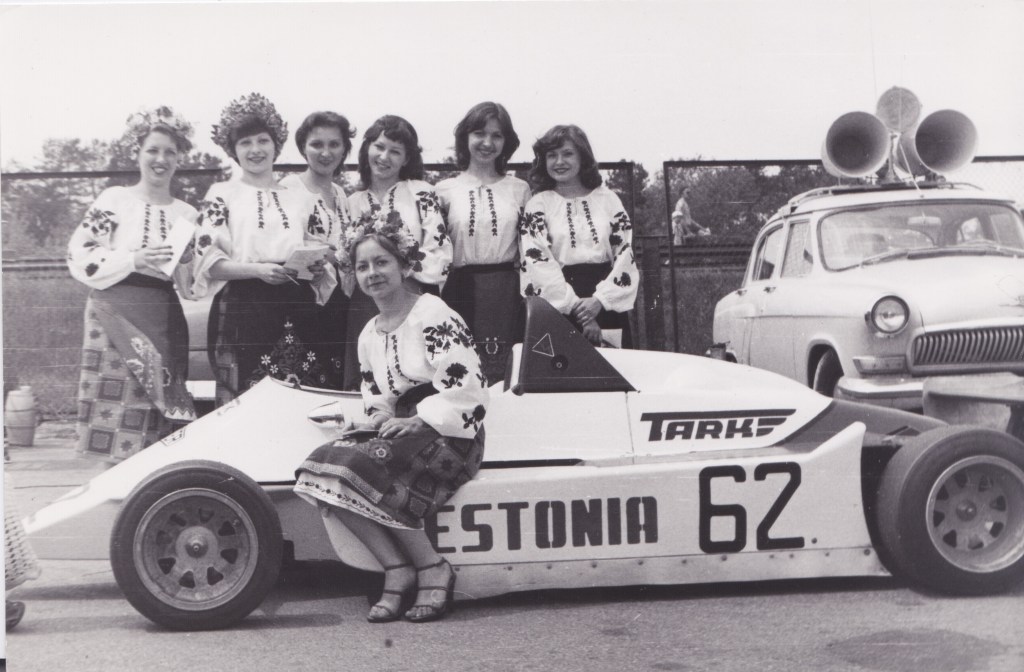
Original Estonia 21 designed and raced by Raul Sarap (Photo source: racinghistory.lv / Automobil magazine)
Estonia 21 in 1/43
Scale models of Soviet racing cars are a rarity in model production and on the model market. This was the case with Estonia 21 – a model of this famous car appeared only in 2013 in the magazine series “Autolegends of the USSR”. The model made by PCT was not distinguished by high quality and historical accuracy. It was based not on the original Estonia, but on a restored car, which was on display in some exhibition in Russia in the beginning of 2010s.
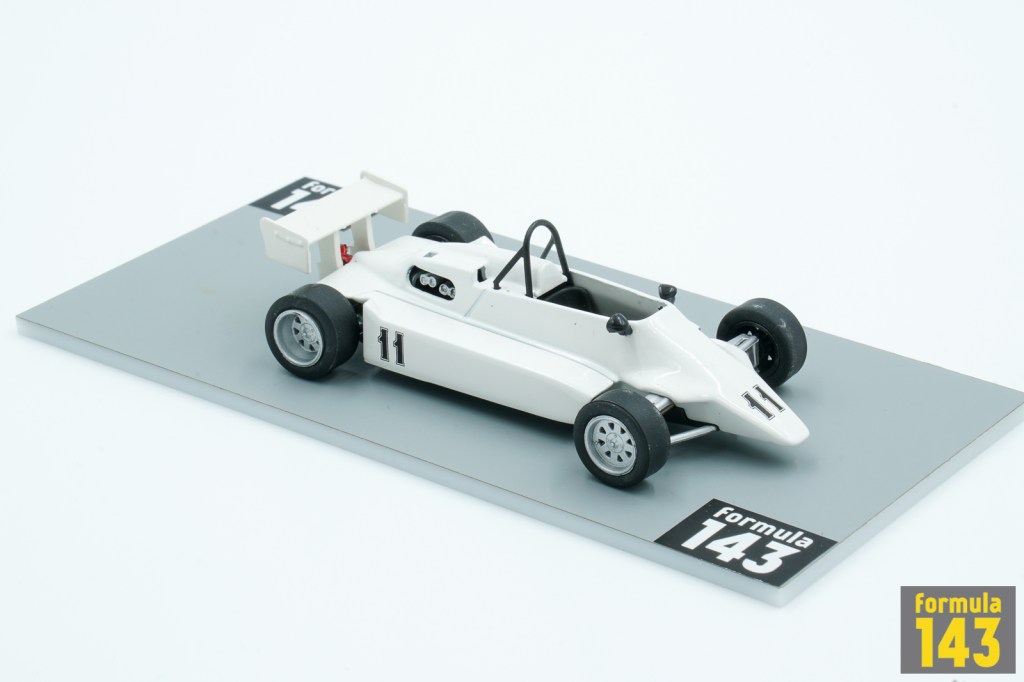
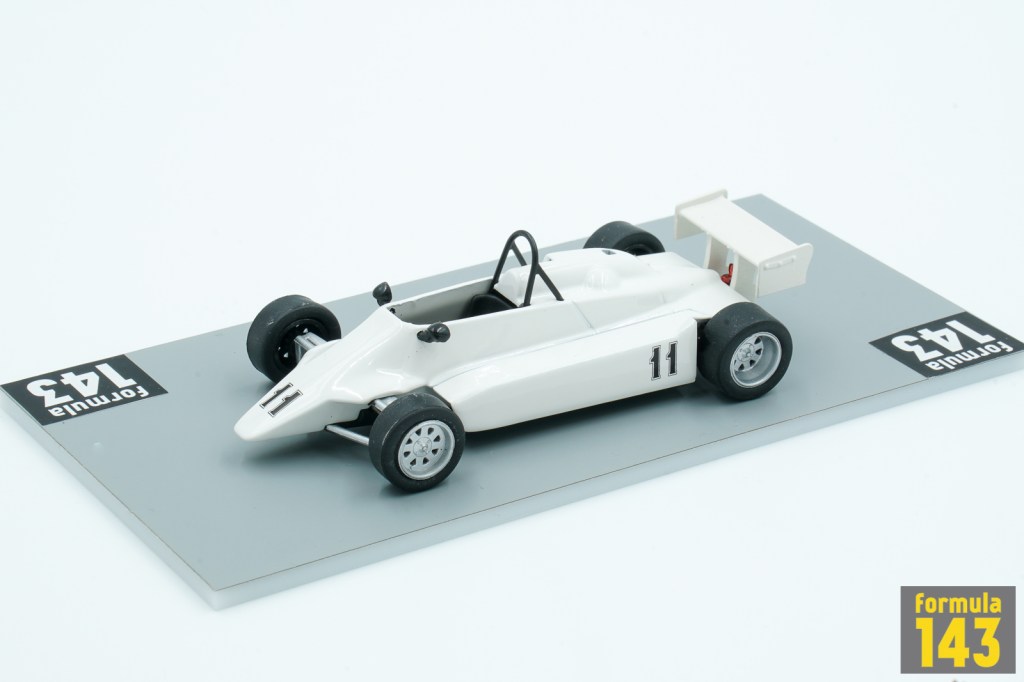
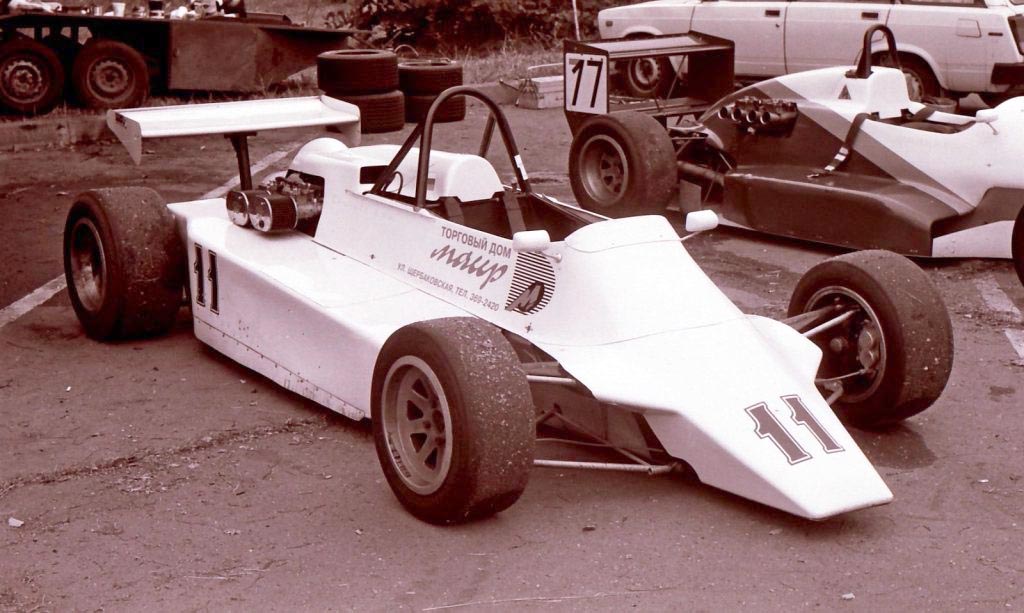
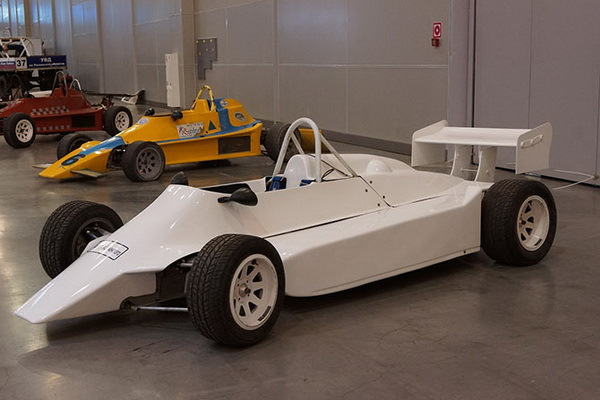
Prototype for the PCT model: the restored Estonia 21 racing car (photo source: Avtolegendy magazine / unknown)
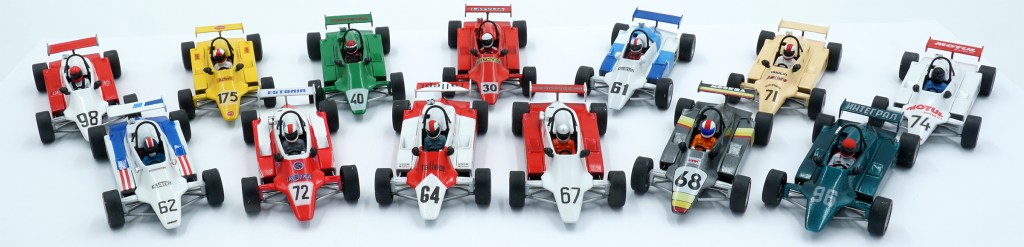
In order to get a racing Estonia 21 for my collection that would correspond to the real cars that participated in the races, I collected quite a lot of archival materials and ordered a dozen conversions of Estonia model from the Belarusian master Boris Pershin, based on PCT model and Vroom drivers figures. Boris’ work took 2 years between his other tasks, and the master was not happy with the result. Nevertheless, my collection has been expanded by 13 exclusive models that represent the history of Estonia 21 and the best Soviet racing drivers of the 1980s. Here they are in a chronological order.
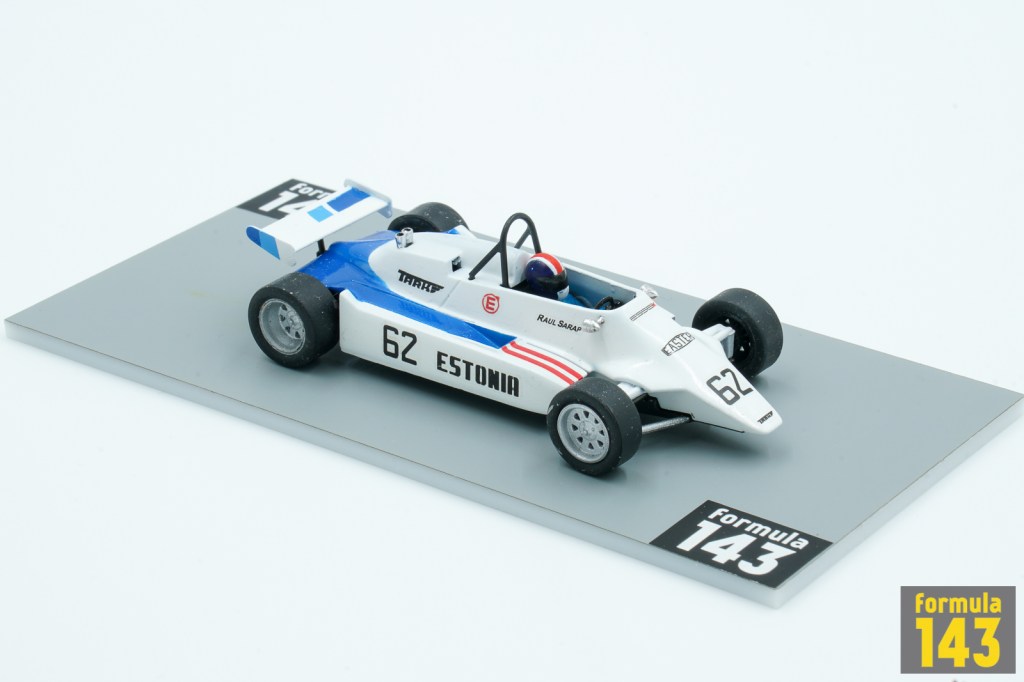
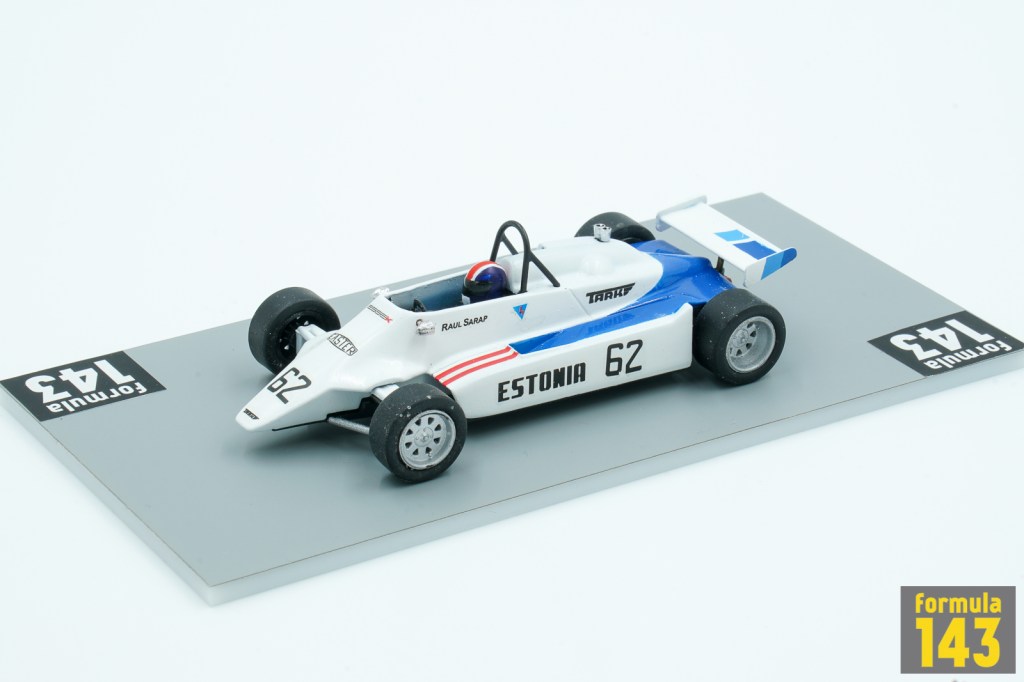
1983, Estonia 21, Raul Sarap, Formula Vostok, Friendship Cup of Socialist Countries
Estonia 21 designer Raul Sarap was himself an active high level racing driver. In 1976 – 1983 he was the member of the USSR national team participated in the Friendship Cup of Socialist Countries (FCSC). The model represents his original Estonia 21 car from the 1983 season. That year Sarap took part in his final FCSC race at Chaika circuit near Kiev were he finished 8th. In 1983 he also was 4th in the Soviet Formula Easter Championship finishing 4th at both races counted to the championship. Altogether Sarap took part in 7 seasons of FCSC not rising above the final 14th place (in the 1977 and 1980 seasons). At the national level he represented Kalev Tallinn team in 1976 -1987 in USSR Formula 3 and Formula Easter Championships winning the Formula Easter title in 1978 (in Estonia 19M) and securing 4 victories in 1976 – 1979 seasons.
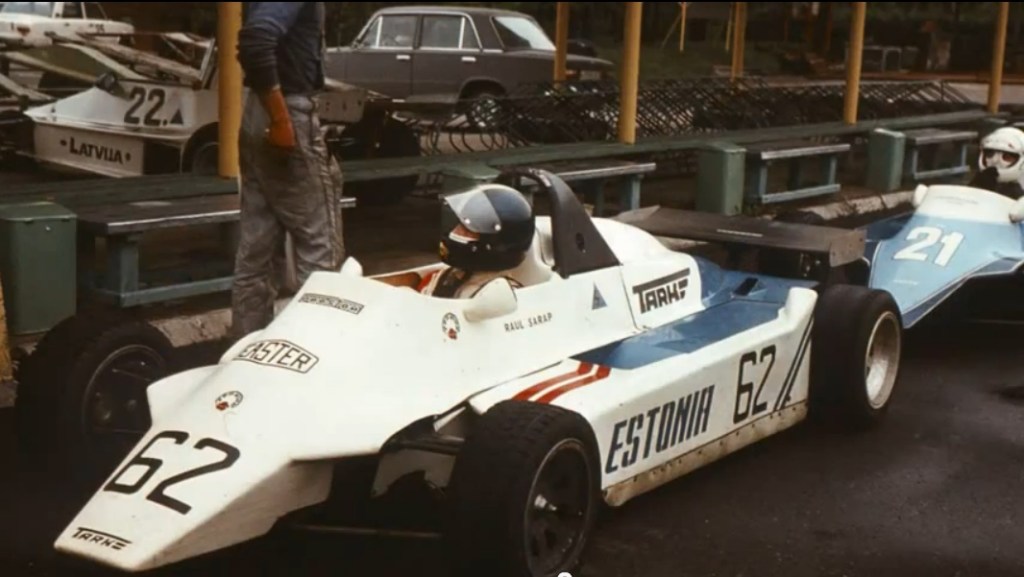
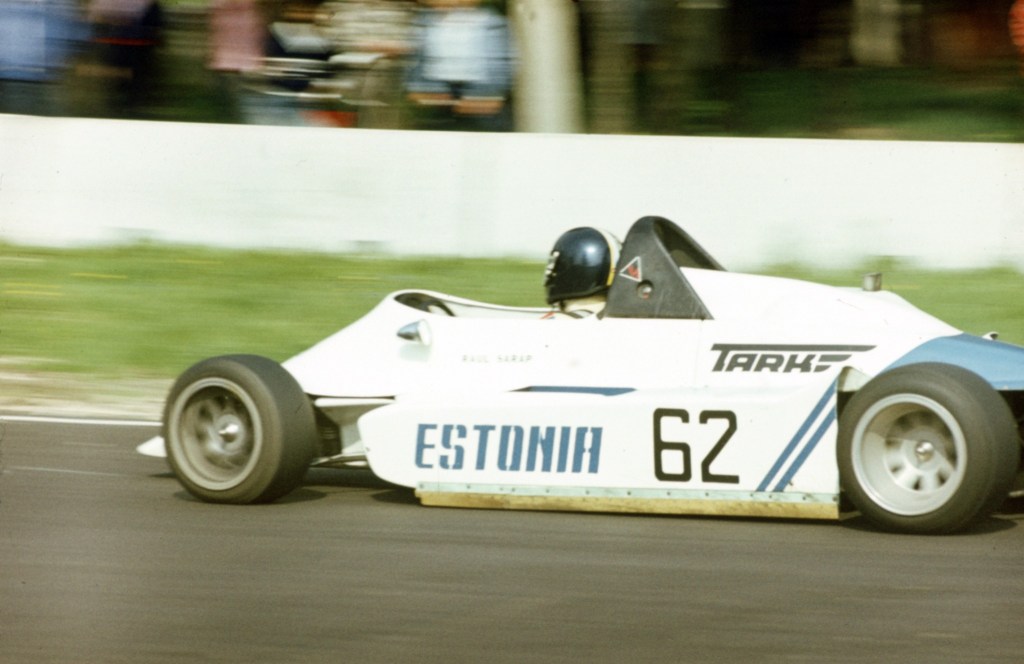
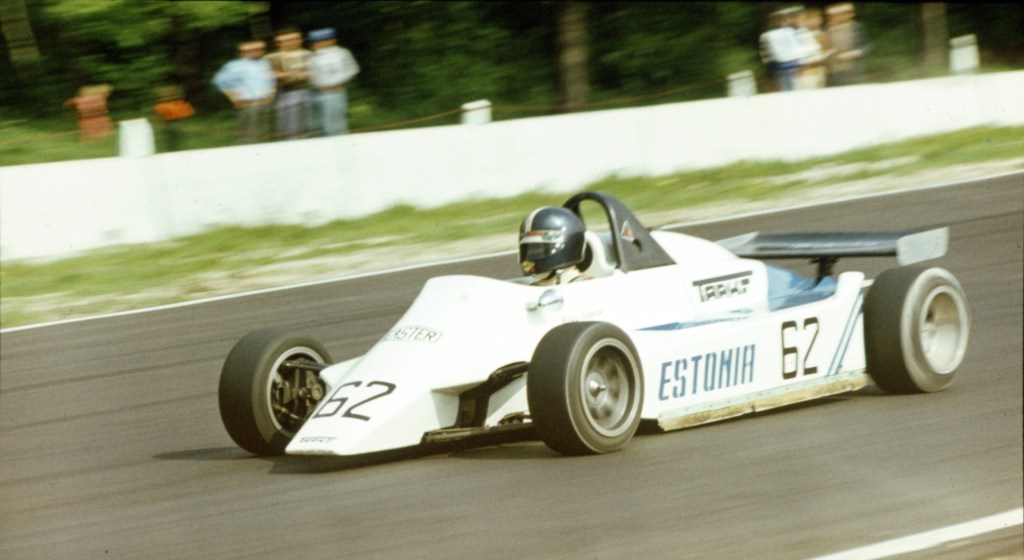
Raul Sarap in action (Photo source: racinghistory.lv)
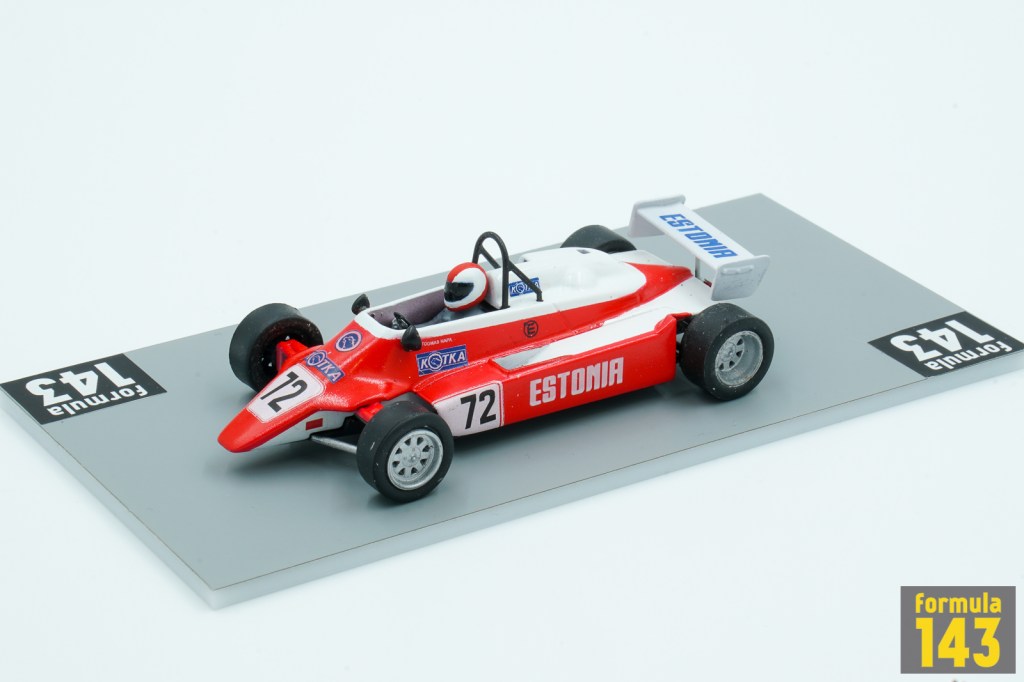
1985, Estonia 21M, Toomas Napa, Formula Vostok, Friendship Cup of Socialist Countries
Estonian Toomas Napa was probably one of the most talented USSR racing drivers. Napa clearly had potential as a Formula 1 driver and only the Iron Curtain prevented him from showing his talent at the highest level.
Napa was Estonian carting champion in 1969-1971 and won Soviet Formula 4 Championship in his first season in single-seaters in 1974. He competed in USSR Formula 3 in 1976 (3rd place) and in 1981-1987 seasons winning five F3 titles (1982-1985 and 1987). Napa has an extraordinary winning record in Soviet F3 – he won more than half of races he started (13 wins in 22 races).
His highest international success was the victory in the Cup of Peace and Friendship in the 1987 season when he finished in his Estonia 21M runner-up in all four races of the series. The model represents Napa’s Estonia 21M from the 1985 Cup season when Toomas took 2 victories in 5 races of the season and finished the Cup runner-up behind East German Uli Melkus.
In the final stages of his racing career Napa became vice-champion of the Estonian Formula 3 in 1989 and won the Baltic Formula 4 in 1990.
Note the red and white helmet of Toomas Napa, reminiscent Clay Regazzoni’s helmet color scheme. You will see similar helmets on some other Soviet racers. The fact is that the supply of the USSR national team was centralized, and the Soviet Auto Federation purchased identical red and white Boeri helmets for the members of the national team in the mid-1980s.
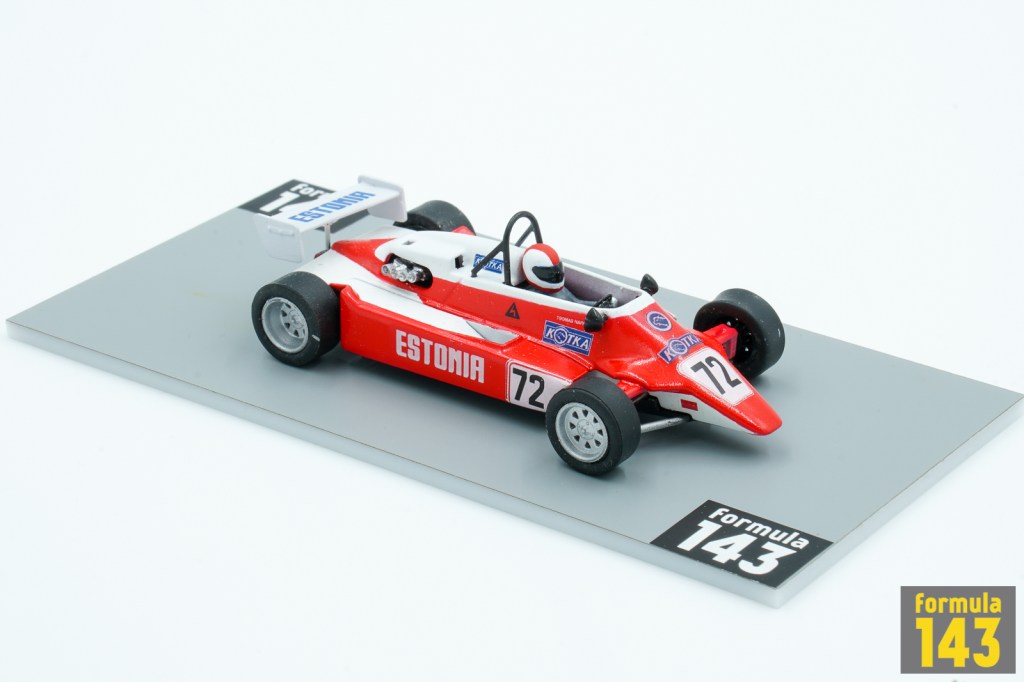
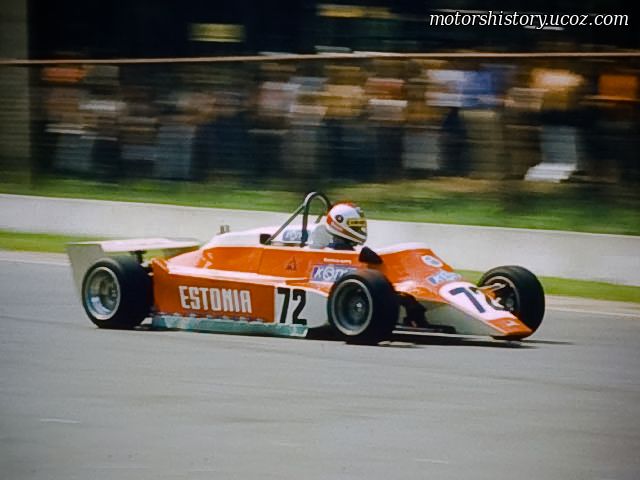
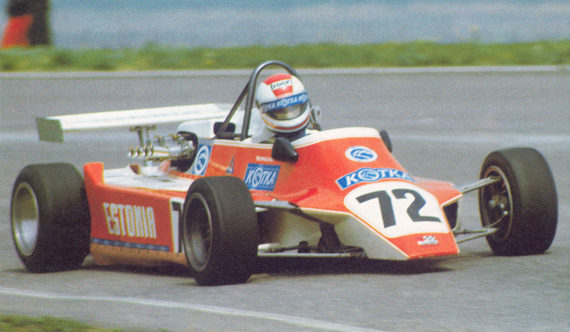
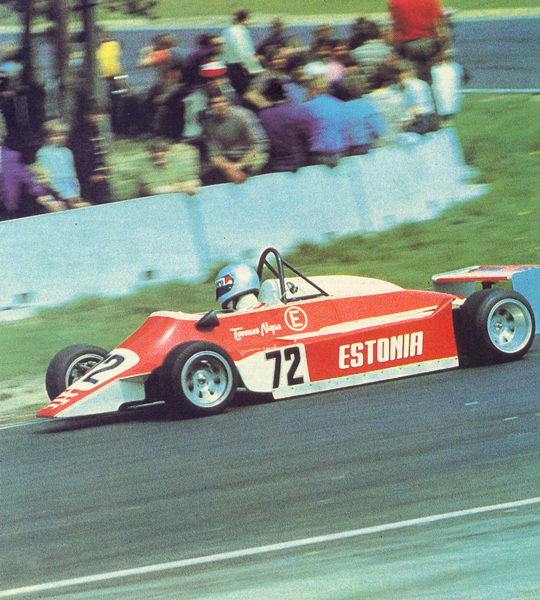
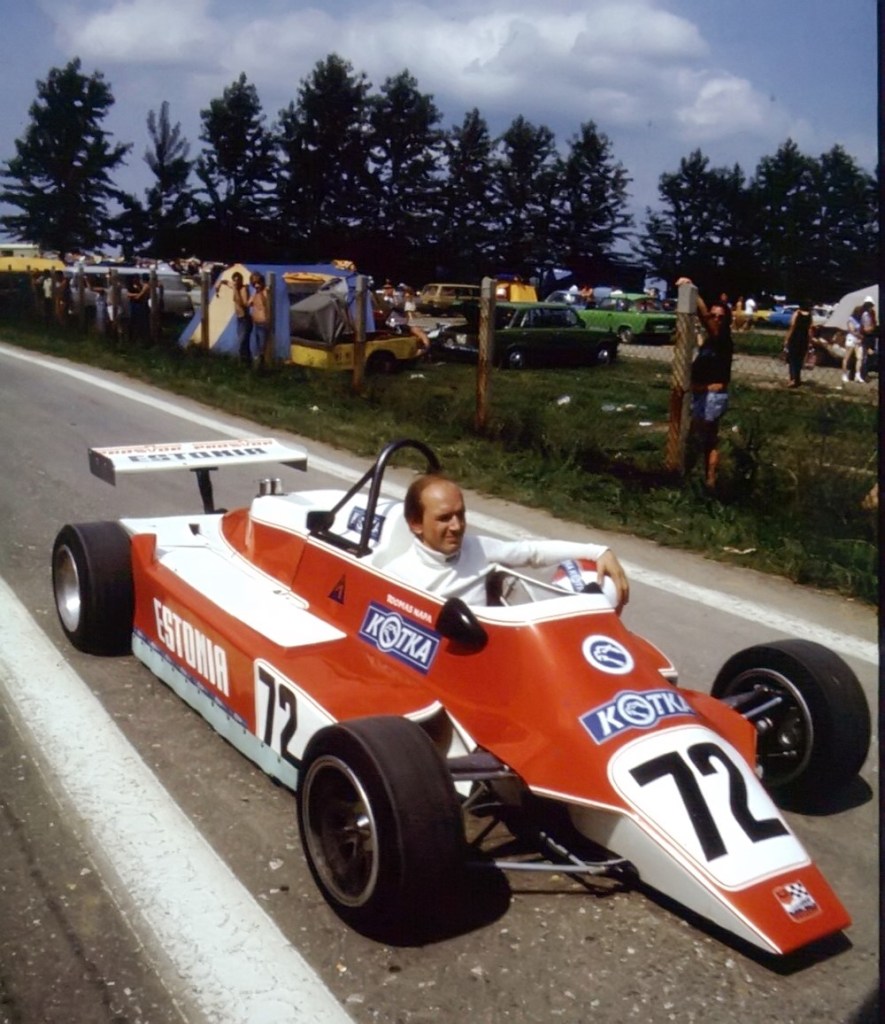
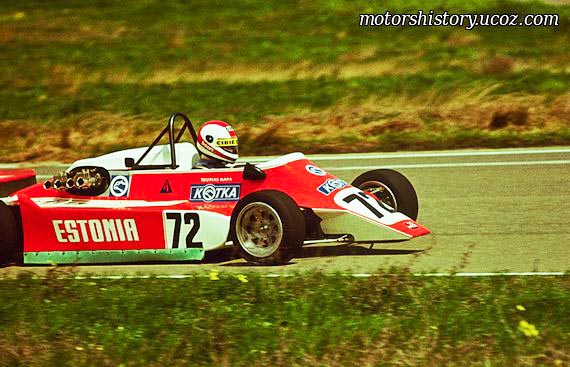
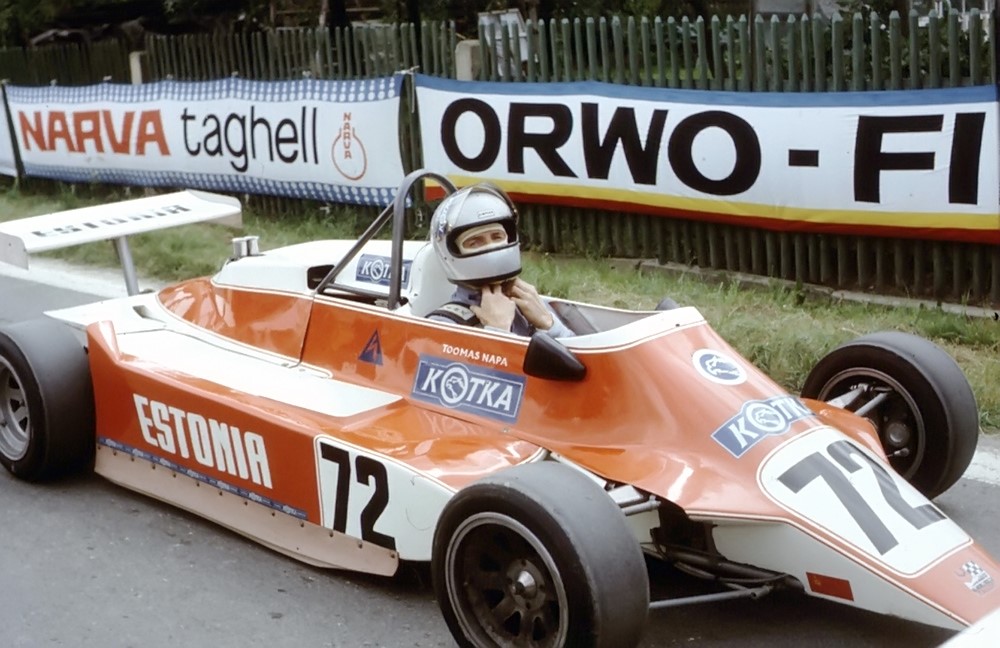
Toomas Napa in 1984 – 1985 (photo source: motorshistory.ucoz.com; http://www.ddr-formel1.de; unknown)
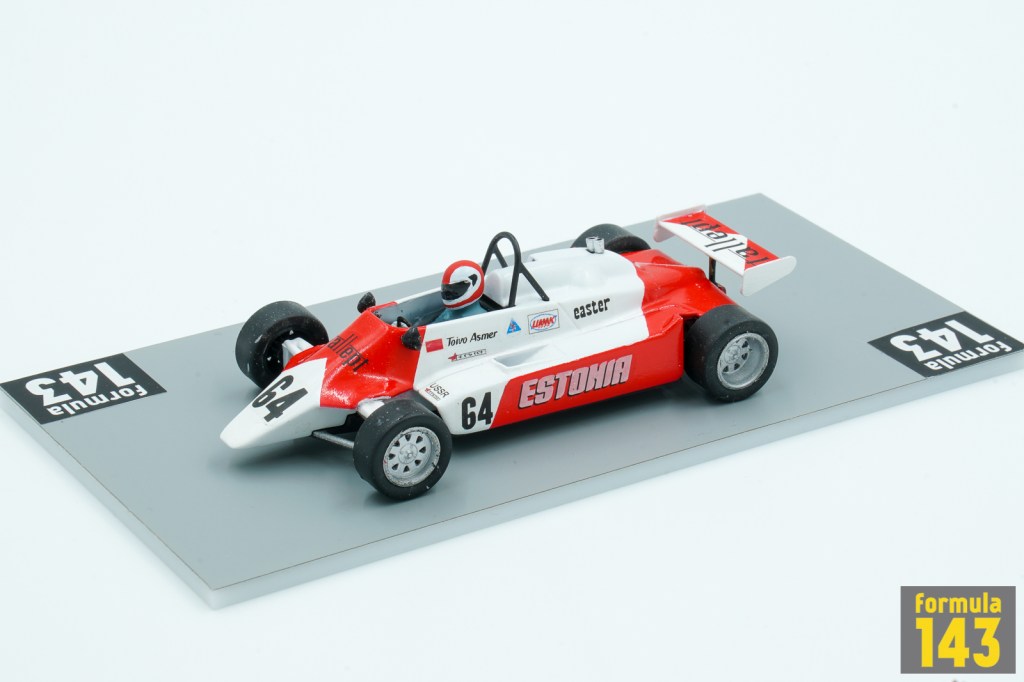
1986, Estonia 21.10, Toivo Asmer, Formula Vostok, Friendship Cup of Socialist Countries
Toivo Asmer, another prominent USSR racing driver from Estonia, had a long and successful motorsport career. After taking third place in the Soviet Formula 4 classification in 1974, Asmer won the title in 1975–1976, while in the 1977 season he was vice-champion. Then he moved to the Soviet Formula 3, where after taking second (1978 ) and third (1979) place in the classification, he became the champion in the 1980 season. From 1981 he participated in the Soviet and Estonian Formula Easter. In Estonia he was champion in 1985 and 1987–1988, while in the USSR he won the championship titles in 1985 and 1988, and was vice-champion of the Soviet Union in the 1984, 1986 and 1989 seasons. He also raced in the Peace and Friendship Cup, taking third place in the classification in 1988 and second a year later. In 1990 he was champion of the Soviet Formula 1600, while in the 1990–1991 seasons he was vice-champion of the Estonian version of the series.
The model represents Asmer’s Estonia 21.10 from the 1986 Peace and Friendship Cup. He started in 3 out of 7 rounds of the series in 1986, taking 2nd place at Bikernieki circuit in Riga, Latvia, and was 6th at Poznan, Poland. If the Estonia 21 car itself was an attempt to imitate Formula 1, then the paint job of Asmer’s car is nothing more than a replica of the famous Marlboro-McLaren livery.
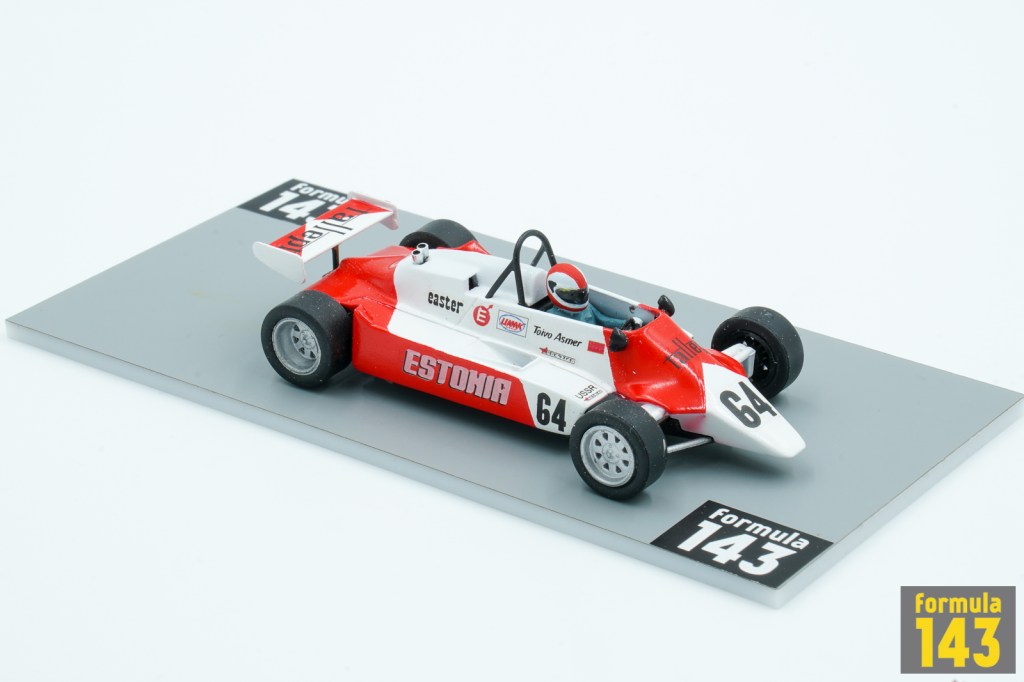
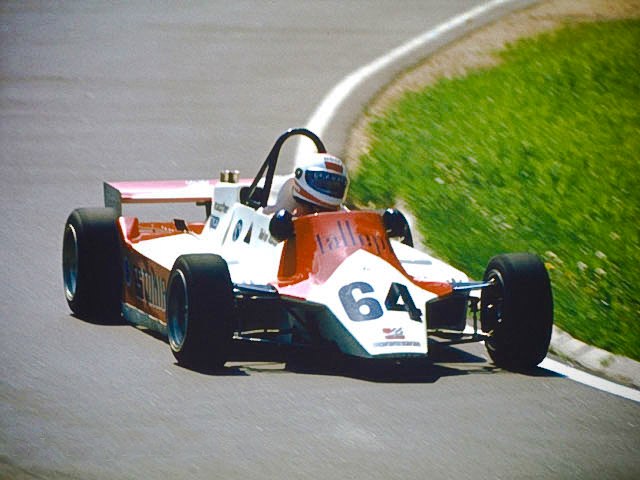
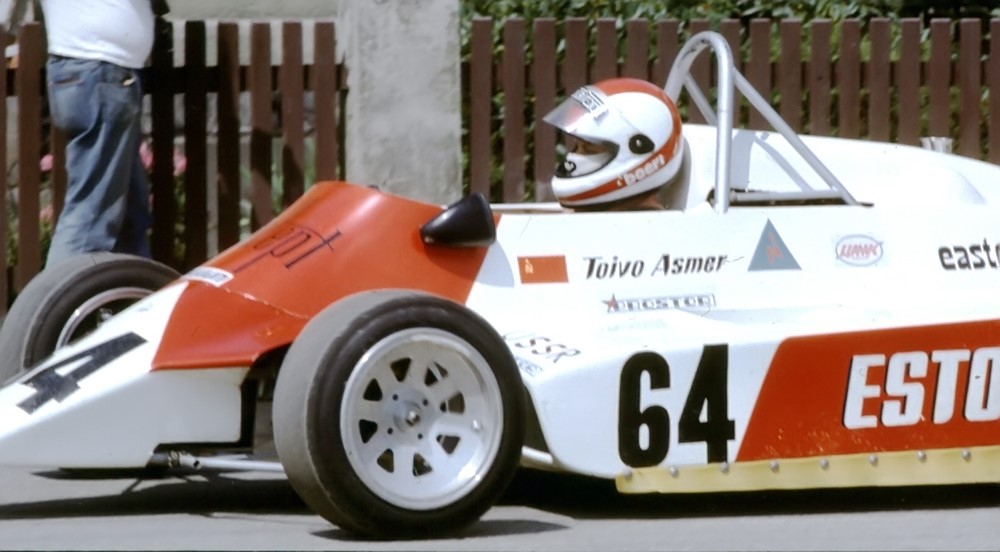
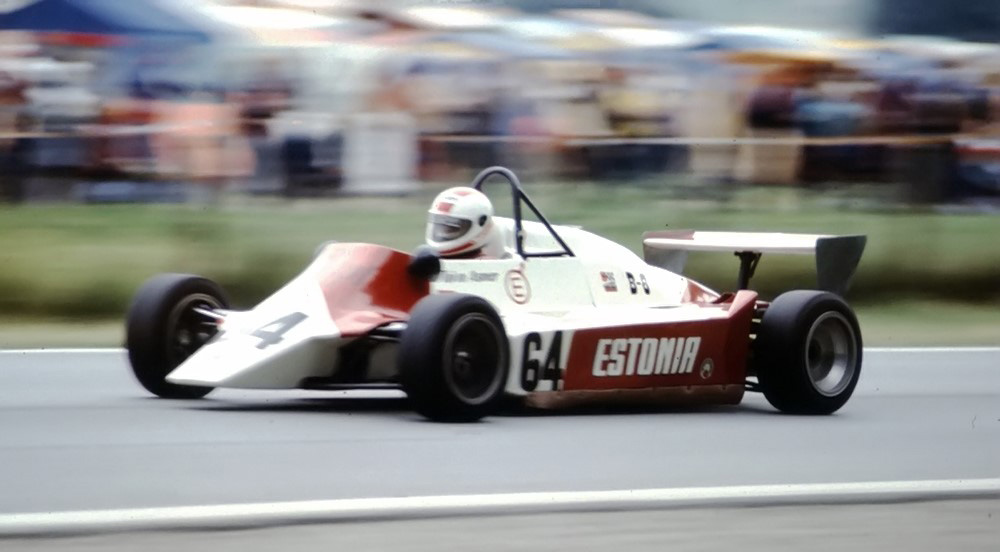
Toivo Asmer in 1984 – 1986 (photo source: http://www.ddr-formel1.de; unknown)
1986, Estonia 21M, Viktor Kozankov, Formula Vostok, Friendship Cup of Socialist Countries
Viktor was one of the most capable and titled racing drivers in the Soviet Union and the Russian Federation from the 1980s to the early 2010s. He is the only Soviet pilot who managed to win the main championship of the socialist bloc countries in circuit racing in the formula class twice – the Friendship Cup of Socialist Countries (FCSC), in 1988 and 1989. He also was second in 1990 and third in 1987. His statistics in the Сup include 26 races from 1984 to 1990 and 8 wins.
Kozankov also won premier USSR Championship three times – in Formula Vostok in 1985 and 1987 and in Formula Mondial in 1989. In 1990s he continued his victory circle in Russian formulae championships winning Russian Formula 1600 in 1993 and 1995 and Russian Formula 3 in 1996 and 1998. After his single-seater career Kozankov successfully moved to national touring cars when he won Russian Touring Car Cup four times in different classes in 2008-2011.
His gray-blue Estonia 21 No. 68 is one of the most iconic USSR racing cars which appeared many times on the pages and covers of Soviet automobile magazines. Here this car is modeled from 1986 season. That year Kozankov took his first victory in FCSC winning the race in Resita, Romania. He finished 6th in the final drivers’ standings of the 1986 Peace and Friendship Cup season. He also became that season vice-champion of the USSR Formula Vostok Championship behind Toomas Napa.
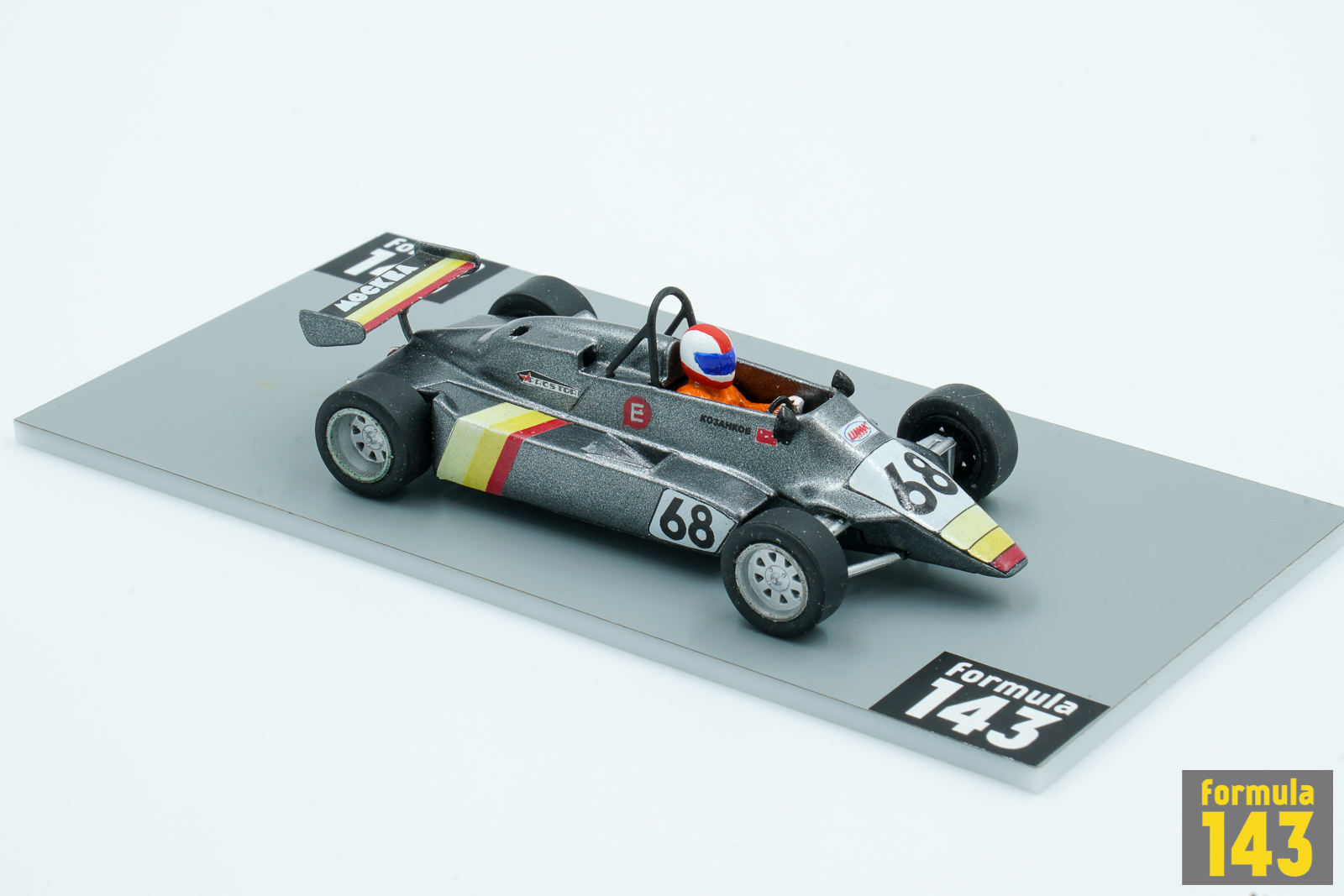
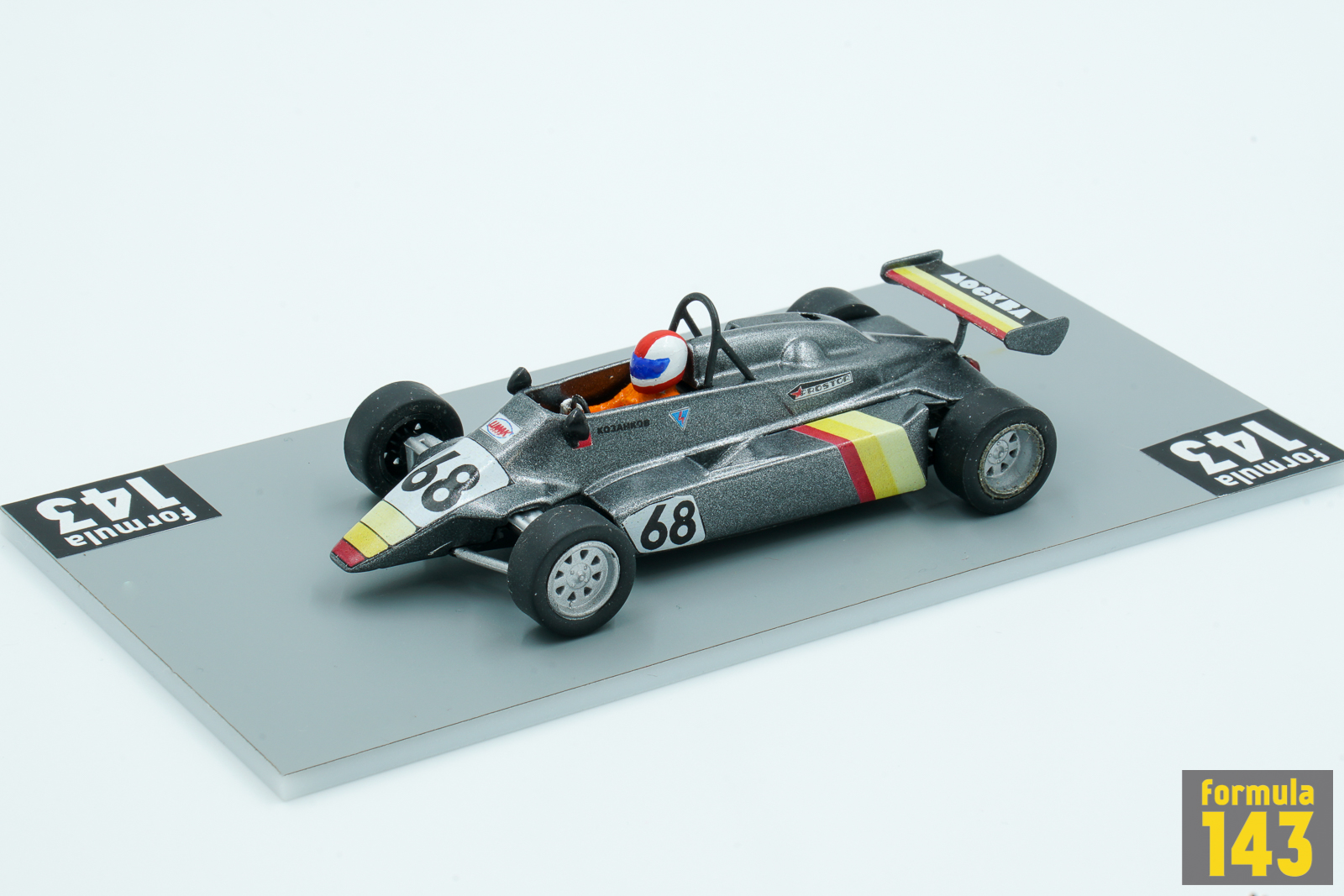
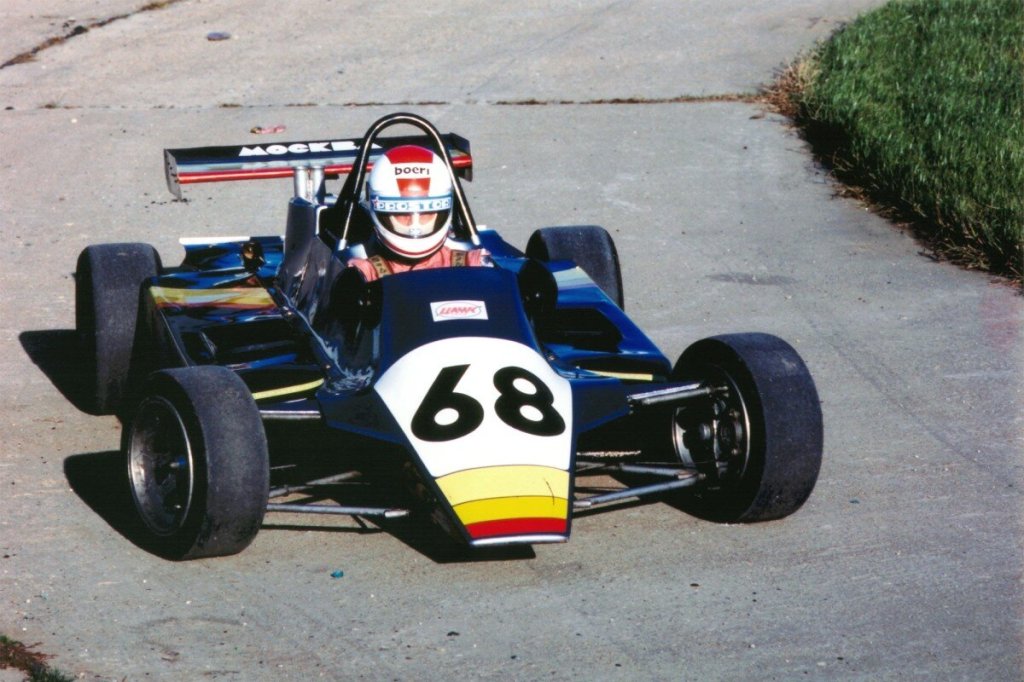
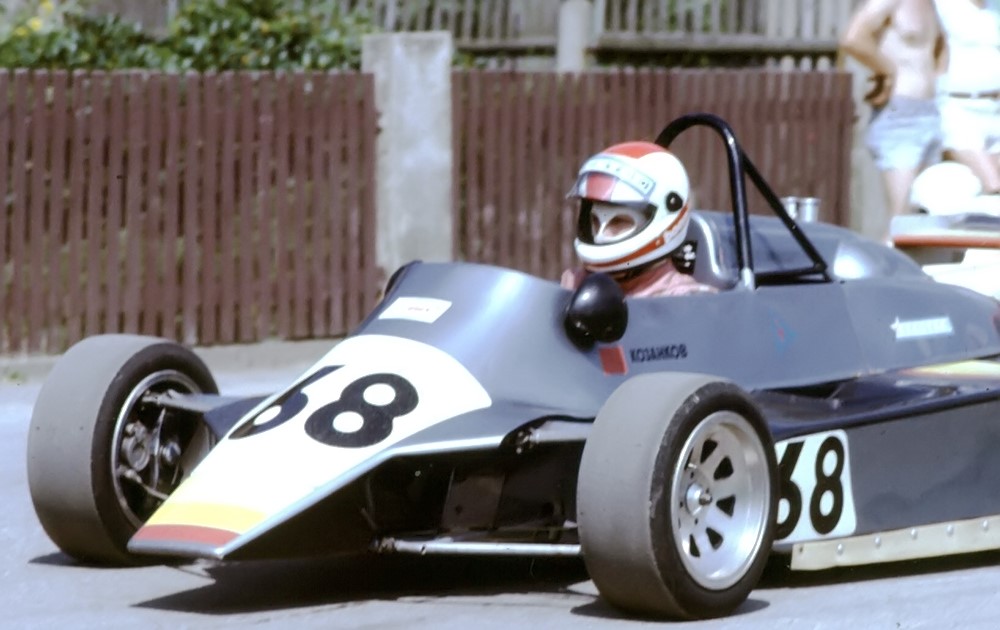
Viktor Kozankov in 1986 – 1987 (photo source: http://www.ddr-formel1.de; unknown)
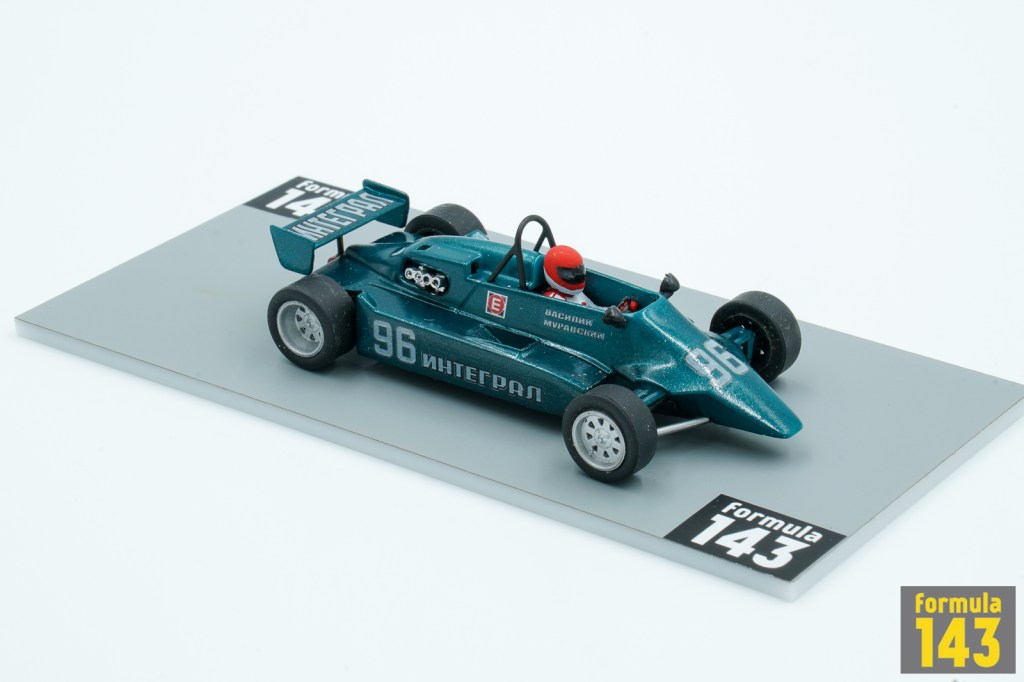
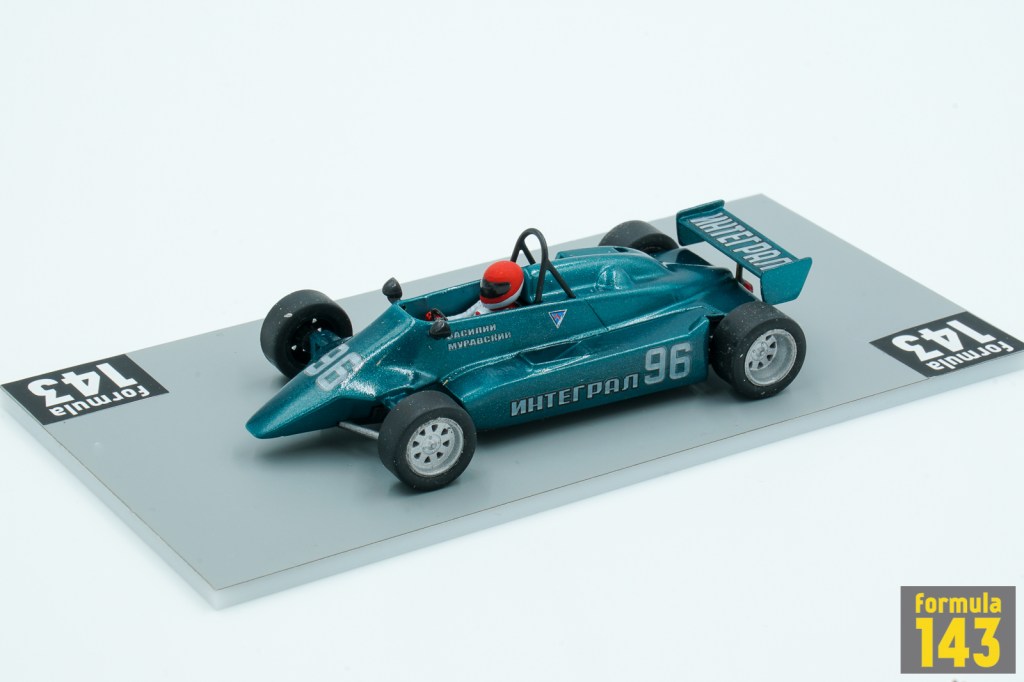
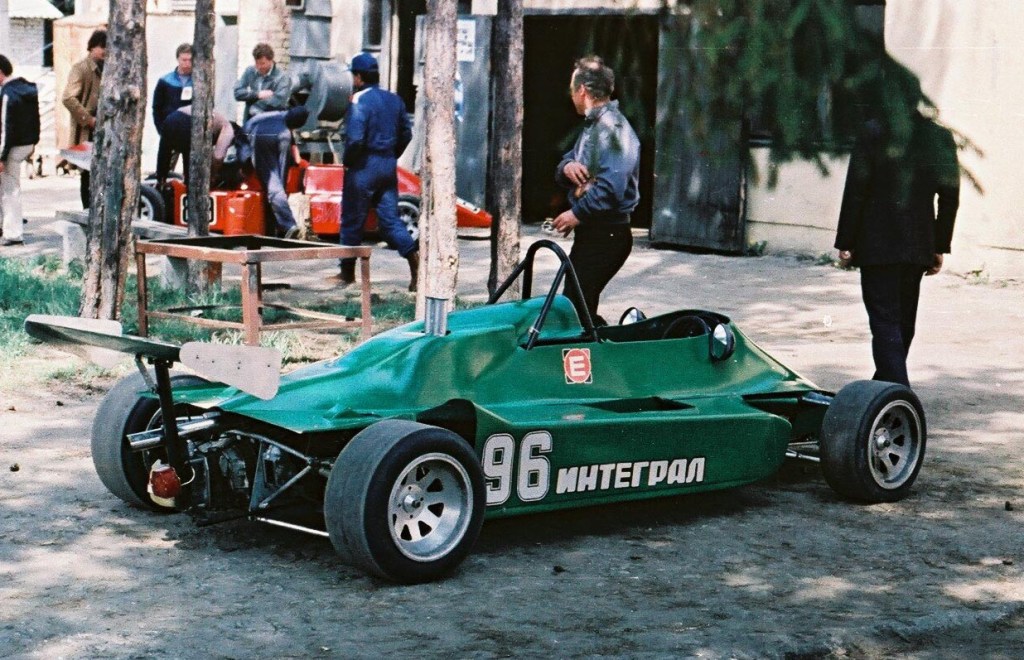
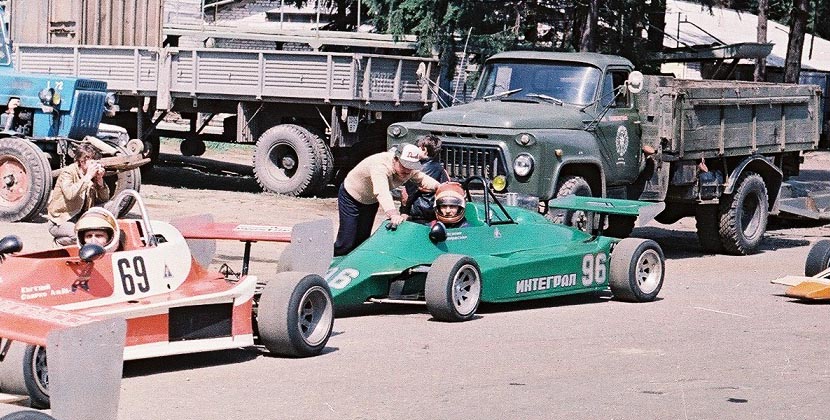
1986, Estonia 21M, Vasily Muravskyi, Formula Vostok, Championship of the Armed Forces of the USSR
Among Soviet drivers who raced Estonia 21 cars there were not only members of the national team competed in top series of the period, such as Peace and Friendship Cup, but a lot of drivers representing Soviet national republics of the USSR and local clubs. They competed in many domestic series – USSR Championship, championships of republics (for instance, Belorussian, Estonian or Ukrainian championships), Baltic championship. One of such domestic event was the USSR Army Championship. Despite the name which may seem strange from today’s perspective, it was very competitive series with dozens of drivers and clubs. The reason was that in the USSR motorsport, as a technical sport, was within the competence of the DOSAAF society – a voluntary society for the assistance of the air force, aviation and navy. That is why professional, highly qualified racers competed in the army championships. Vasily Muravskyi from Belorussia, represented Northern Group of Armed Forces, took part in the Championship of the Armed Forces of the USSR in the mid-1980 both in touring and formula cars. In the 1986 Army Championship at Bikernieki circuit near Riga he finished 6th in his Estonia 21M.
Vasily Muravskyi in 1986 (photo source: unknown)
1986, Estonia 21M, Aleksandr Romashin, F3, USSR Championship
Aleksandr Romashin from Borisov, Belorussia drove Estonia cars (20 and 21M) in 1984 – 1990. He regularly started in the USSR Championship in Formula 3 (in 1984-1987), Formula Mondial (1988-1989) and Formula 1600 (1990). His best overall placing was 6th in 1989 and 7th in 1990. In the 1986 season, which is represented in this Estonia 21M scale model, Romashin finished 14th in the USSR F3 championship (which run in parallel with more competitive Formula Vostok Championship) and became the Champion of Belorussia in F3 winning the championship race at Borovaya circuit near Minsk.
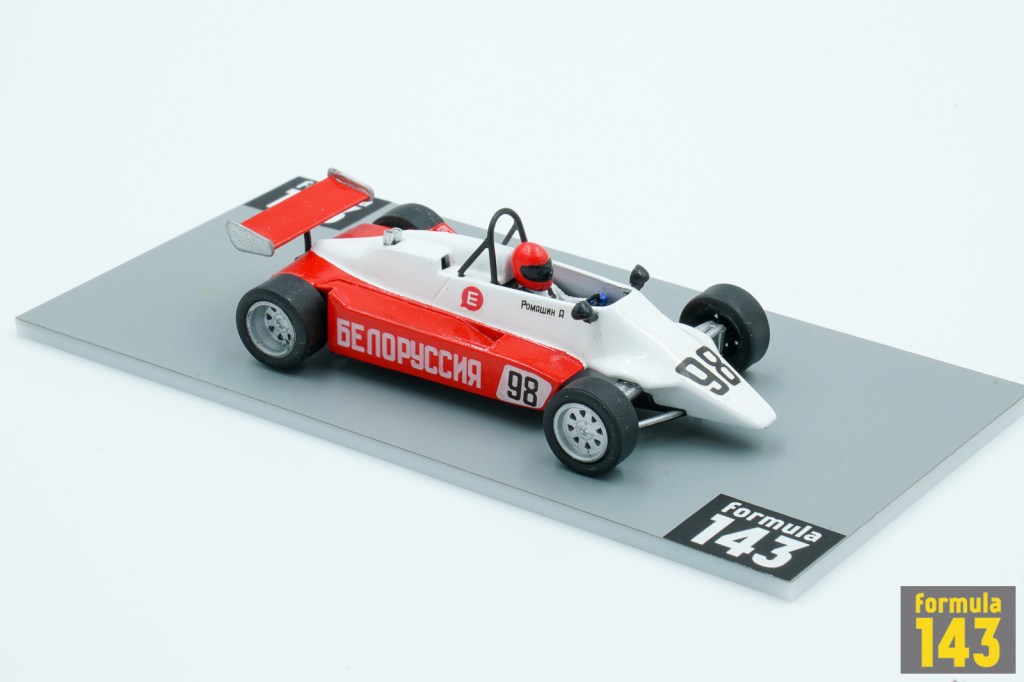
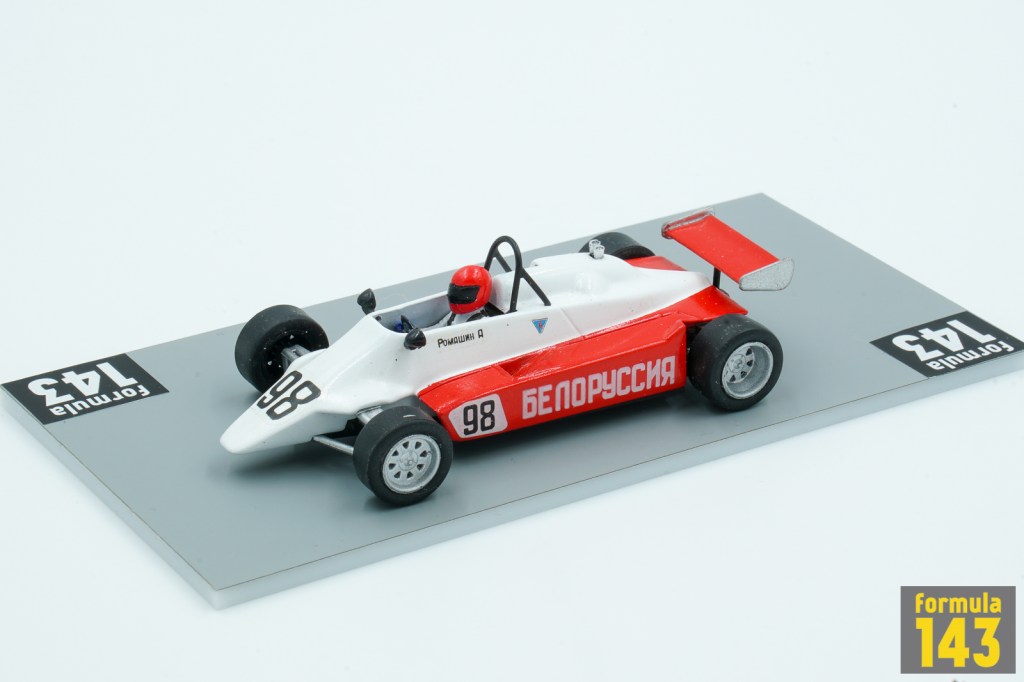
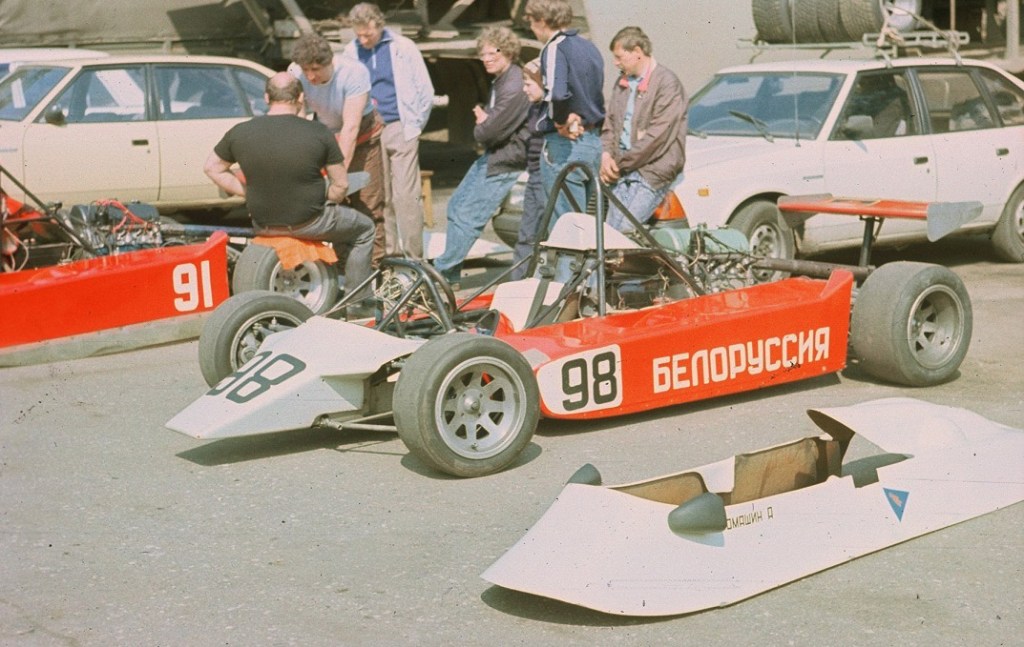
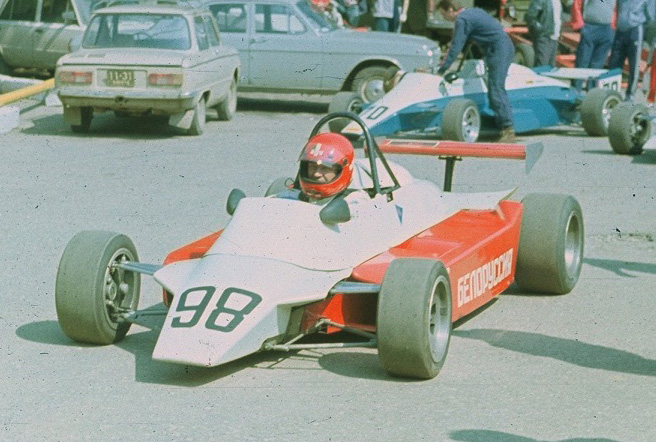
Aleksandr Romashin in 1986 (photo source: unknown)
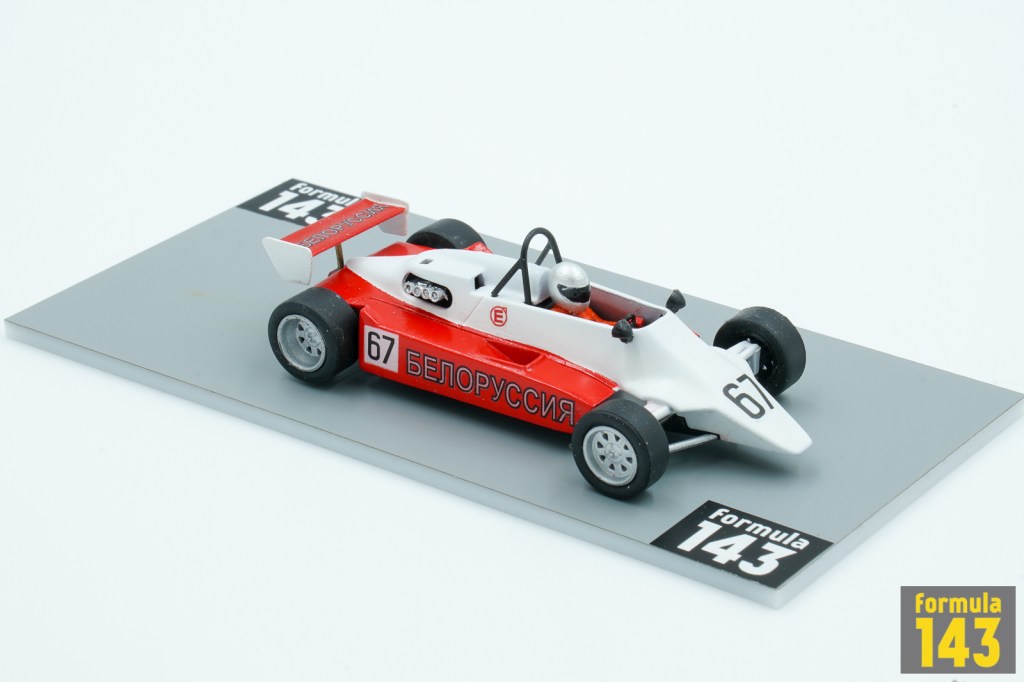
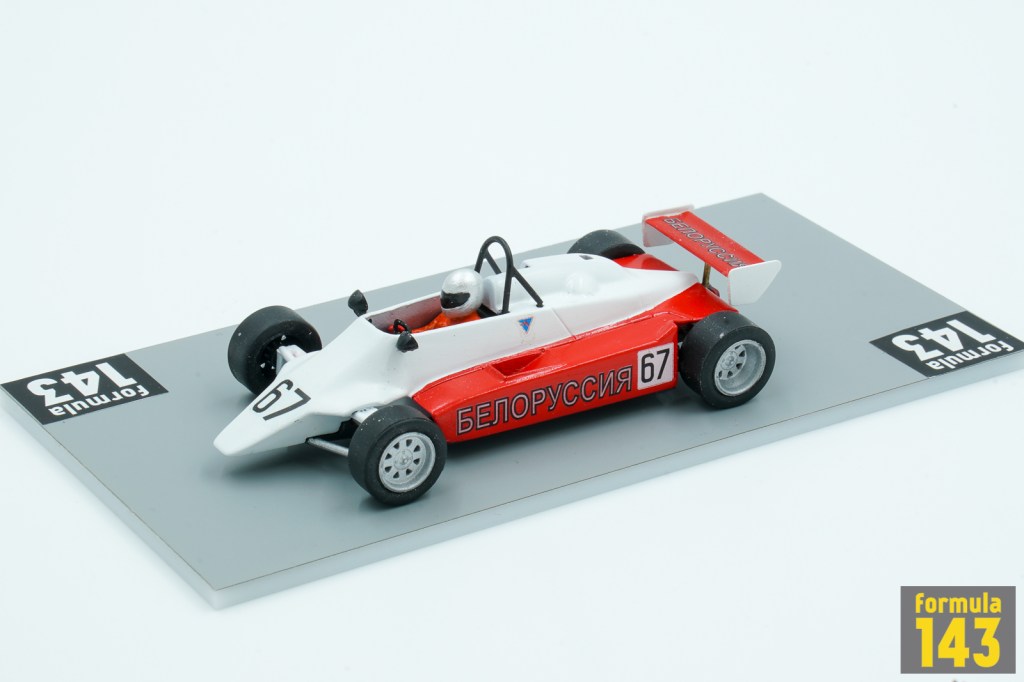
1986, Estonia 21M, Anatoly Shimakovsky, Formula Vostok , Championship of the Armed Forces of the USSR
Anatoly Shimakovsky was probably the best Belorussian racing driver of the 1980s. He took part in the USSR Championship and other single-seater races in the USSR in 1978 – 1988. His best result was 6th overall place in the 1979 Formula Easter USSR Championship in his Estonia 18M. In 1982 and 1986 Shimakovsky became the champion of Belorussia. The model represents his Estonia 21M from 1986 season. That year Shimakovsky took only 21st place in the USSR F3 Championship, but in Formula Vostok he won the Belorussian champion title in a single race event at Borovaya (Minsk Ring) and became the champion of the USSR Armed Forces at Bikernieki circuit in Riga.
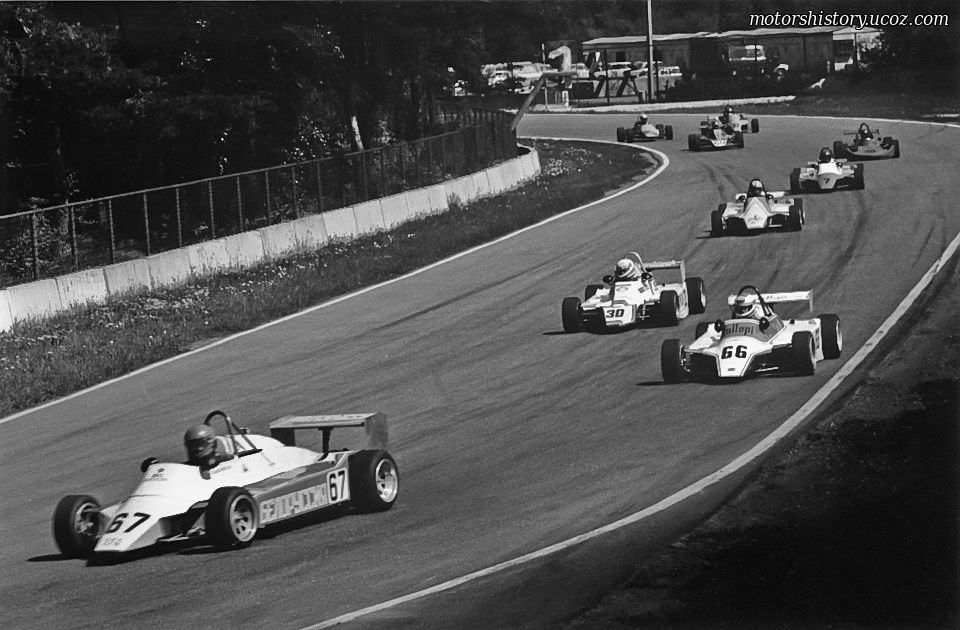
Anatoly Shimakovski lead the pack of Formula Vostok cars at Bikernieki, 1986 (photo source: unknown)
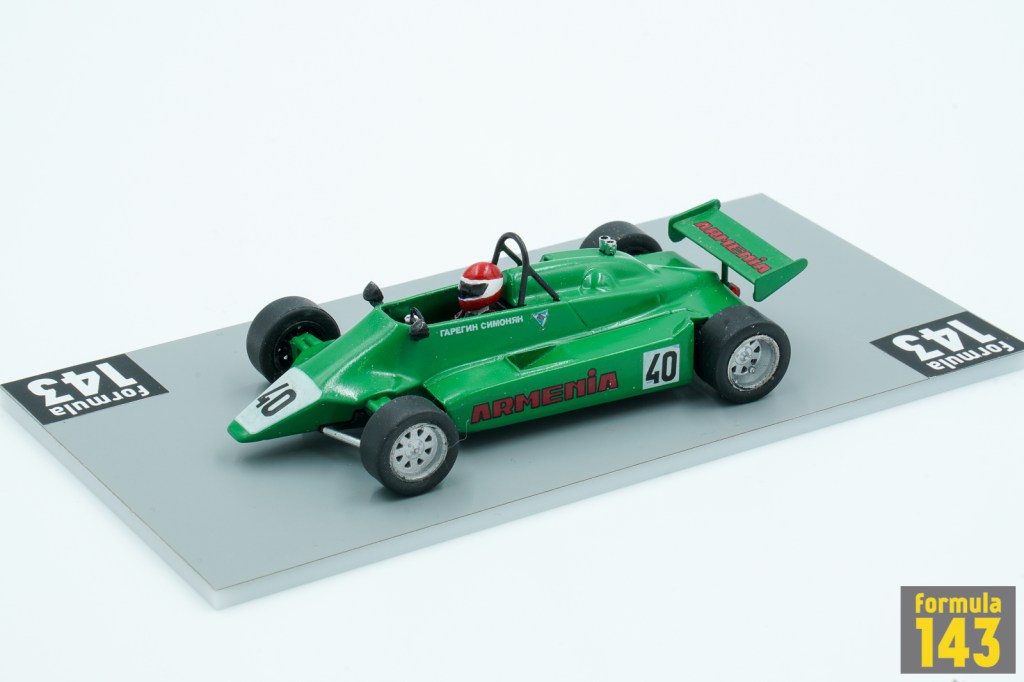
1987, Estonia 21M, Garegin Simonyan, Formula Vostok, USSR Championship
Garegin Simonyan was one of a few Armenian racing drivers in the USSR motorsport scene. At the national level he began racing in touring cars in 1980. In 1984 he moved to single-seater formulae and raced with Estonia cars until 1990. In 1985 he was 19th in the first league (second level) of the USSR Fromula Vostok Championship. The model represents his Estonia 21M from 1987 season when Simonyan was 19th in the final point standings of the USSR Formula Vostok, finishing 14th and 17th in two preliminary races (at Rustavi and Bikernieki respectively) and 13th in the championship final race at Bikernieki.
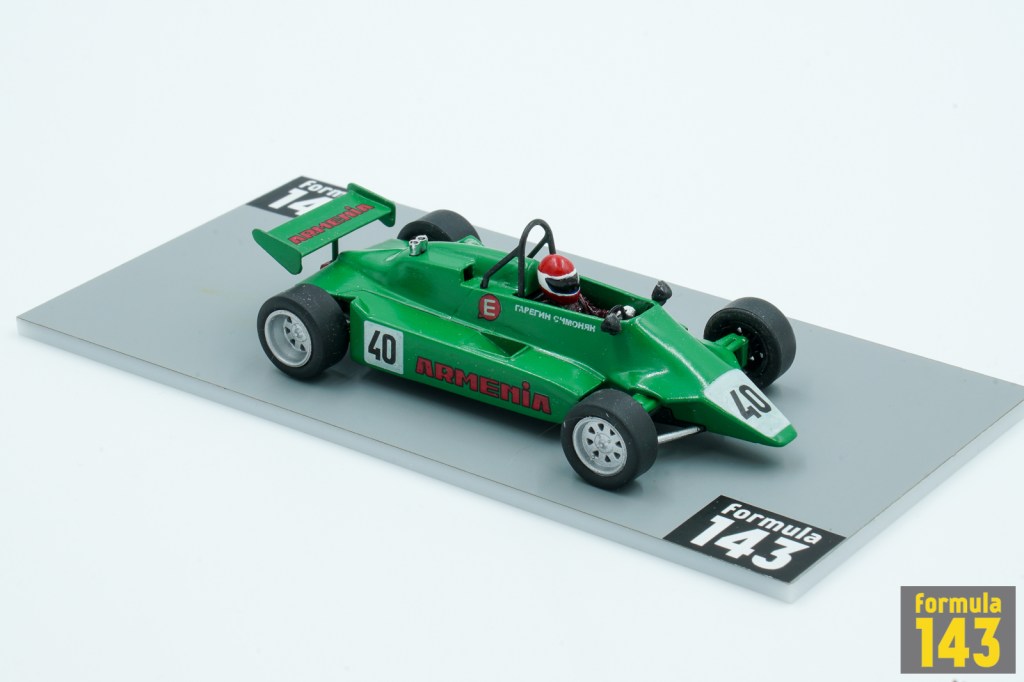
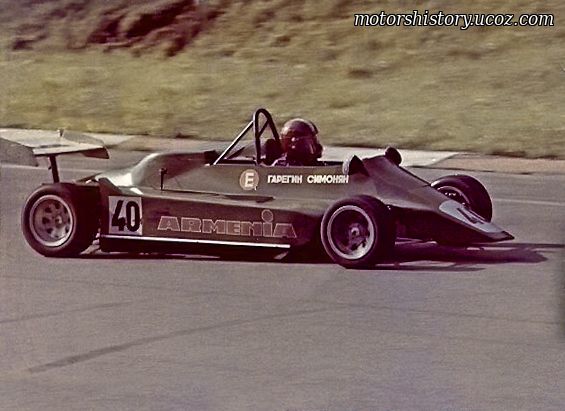
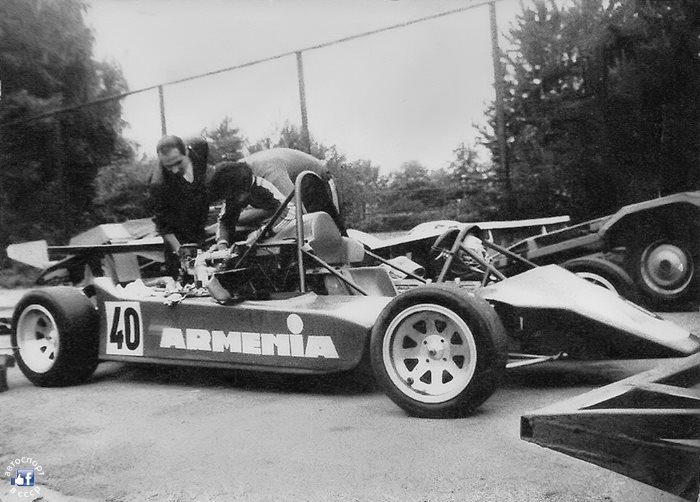
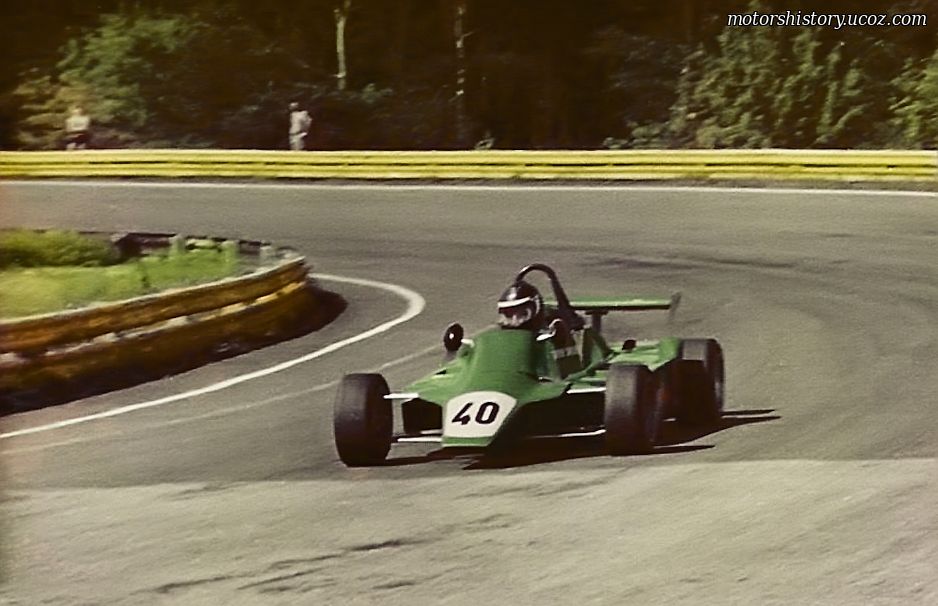
Garegin Simonyan in 1987 (photo source: motorshistory.ucoz.com / unknown)
1988, Urmas Põld, Estonia 21.10, Formula Vostok, USSR Championship
Urmas Põld was a representative of the next generation of Estonian racing drivers – 14 years younger than Asmer and 9 years younger than Napa, he started his career in Formula Easter in the mid-1980s. In 1983, he won third place in the Estonian Championship with Estonia 20. In 1984, he started racing with Estonia 21M . Põld won the unofficial race that opened the season at the Bikernieki circuit. He also won the Estonian vice-championship in the Formula Vostok classification. In 1984, he also made his debut in the Soviet Formula Easter (class II), winning one podium and taking fourth place in the general drivers’ classification. A year later, he was promoted to class I of the Soviet Formula Easter, taking fifth place at the end of the season. He raced in the premier USSR championship until 1990 (in Formula Vostok in 1985 – 1988 and in formula Mondial in 1989 – 1990), with 4th place in 1987 as his highest overall placing. Põld debuted in the Peace and Friendship Cup in 1985. He was the member of the Soviet national team in the Cup until 1989 when he finished season 7th in the general classification and took 3rd place podium position at Schleizer Dreieck in the GDR.
The scale morel reflects Põld’s Estonia 21.10 car from the 1988 season. That year Urmas was 7th both in the USSR Formula Vostok and Peace and Friendship Cup classifications.
Before ending his racing career Põld briefly appeared at the international scene starting in four British Formula 3 races, driving a Ralt RT35 for Fred Goddard’s team an 1991. In 1992, he started in one more Formula Opel Lotus Nations Cup race, representing Estonia, with Rain Pilve. The team finished twelfth.
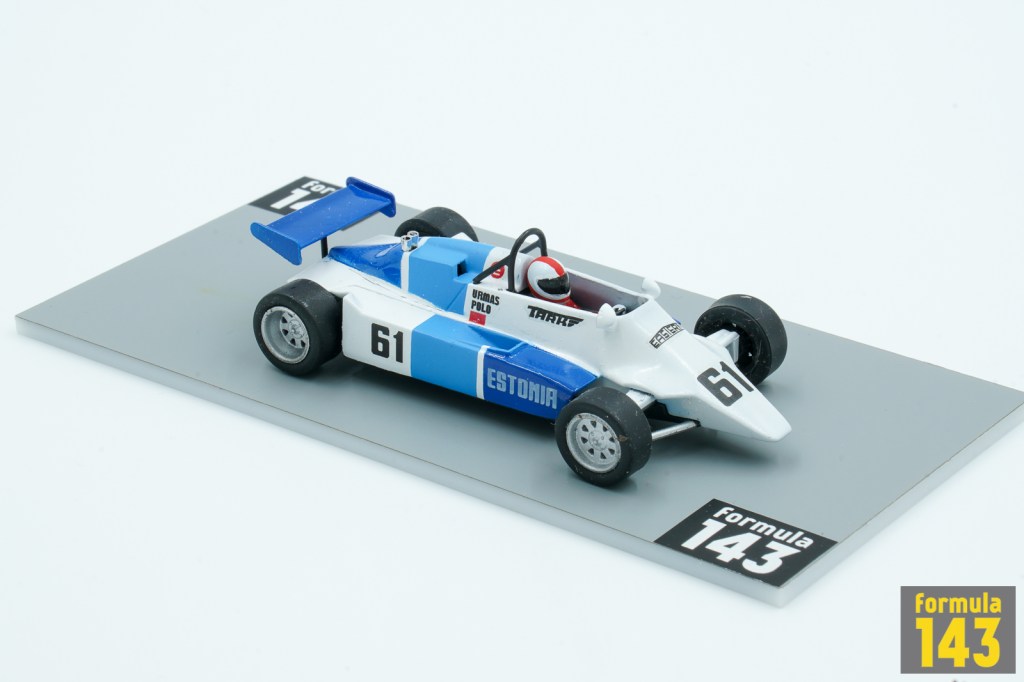
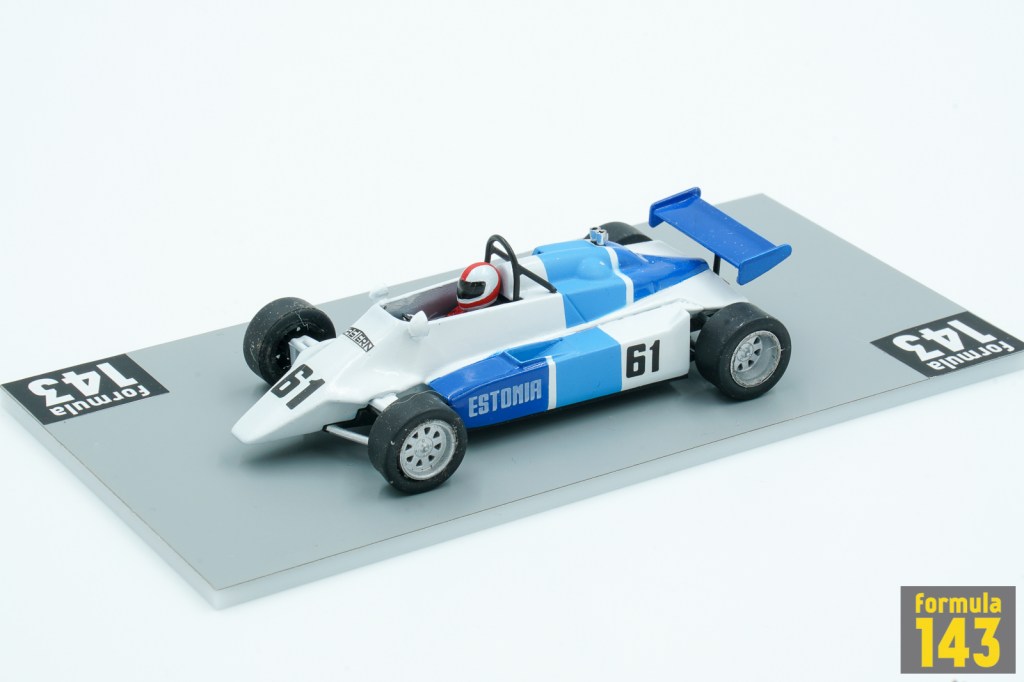
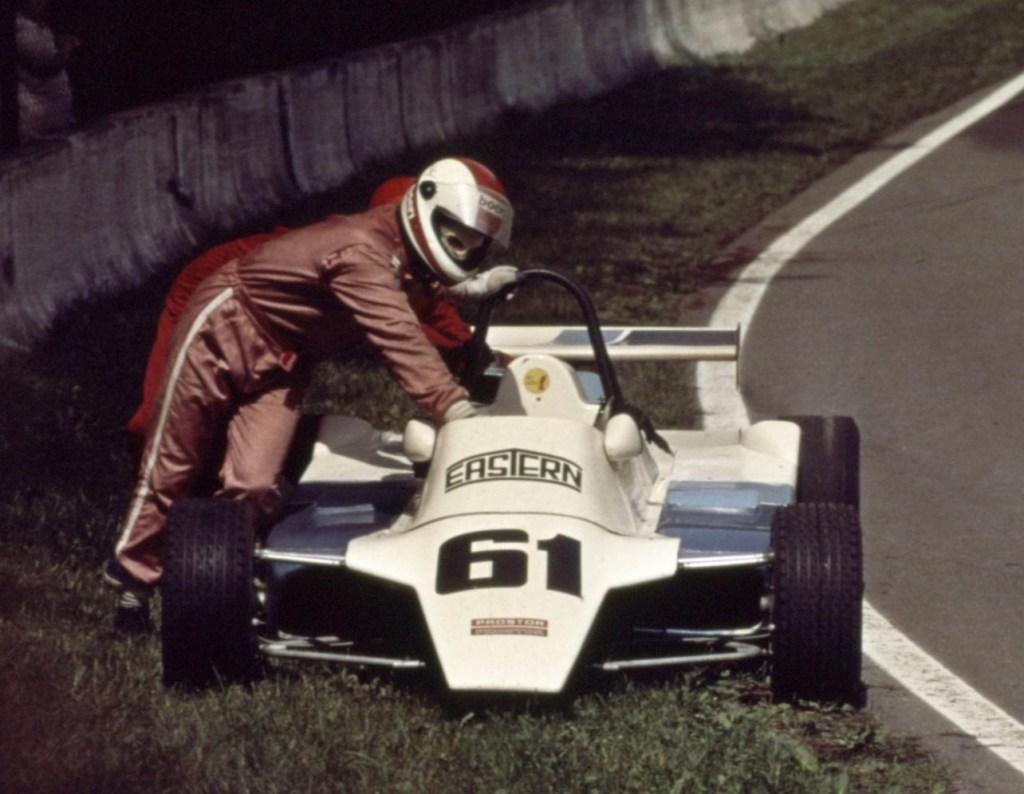
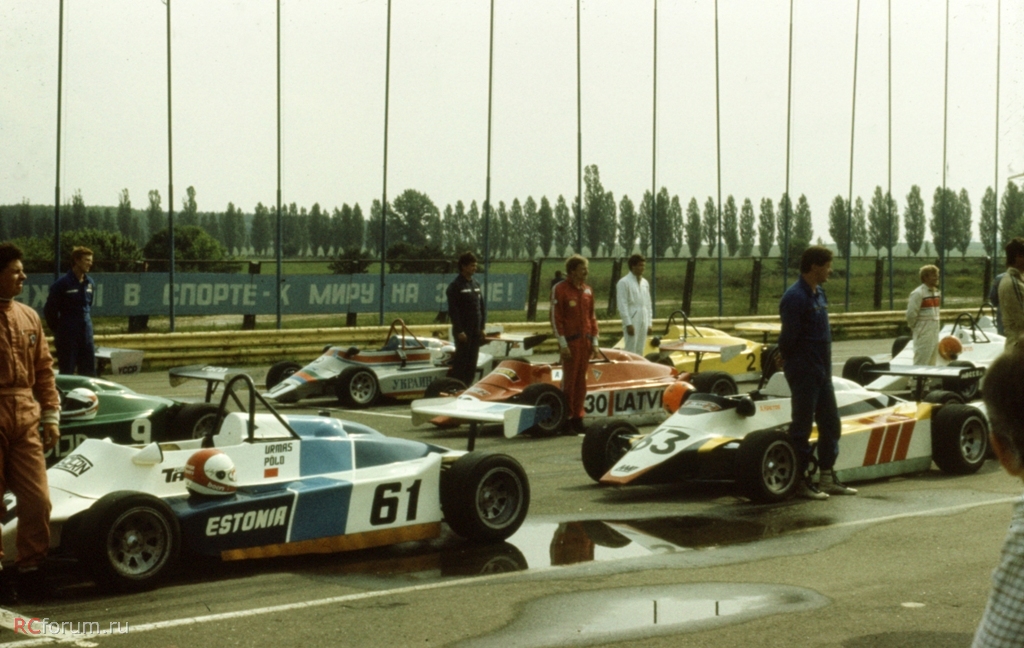
Urmas Pold in 1988 (photo source: vk avto-moto-sport-v-sssr / unknown)
1988, Estonia 21M, Edgar Lindgren, Formula Vostok, USSR Championship
Soviet racing driver, engineer and car designer Edgar Lindgren had a very long career in motorsport, lasted from 1950s to 2000s. Lindgren, born in 1935, began racing motocross for the Moscow Higher Technical School in 1955. In 1970, he began working for MADI (Moscow Automobile and Road Construction State Technical University), and also started racing single seaters – Estonia 15 in the Soviet Formula 4. In 1971, he finished fourth in the series classification. In the 1976 season, he made his debut in the Soviet Formula 3 in Estonia 18M. A year later, he debuted in the Soviet Formula Easter, where he finished fifth in the classification, and also debuted in the Peace and Friendship Cup (28th place). In 1978, he was assigned Estonia 19 and was seventh in the Formula Easter, and thirteenth in the Peace and Friendship Cup. In 1979, together with mechanic Vladilen Doronin, he designed his own project called Estonia-MADI-02. With this car, Lindgren won the Formula Easter vice-championship in 1980–1981. In 1981, he was sixth in the Peace and Friendship Cup. A year later, again in cooperation with Doronin, he designed the Estonia-MADI-03 car, with which he won the third consecutive Formula Easter vice-championship; in the Peace and Friendship Cup, he was seventh.
In 1983, Lindgren won the Formula Easter championship, the Peace and Friendship Cup vice-championship, and seventh place in the final of the 8th Summer Spartakiad of the Peoples of the USSR. In 1986, he took fourth place in the final of the 9th Summer Spartakiad, and at the end of the year he changed his car to Estonia 21M . In 1987, he took eighth place in the Formula Easter USSR Championshpi. In 1988, he was sixth, and in 1989 – third. In 1990, he made his debut in the Polish and Czechoslovakian championships. In 1991, he won the vice-championship of the Formula Easter.
After the collapse of the USSR, Lindgren continued racing. He became 3-times Russian champion in Formula Vostok in 1993 – 1995, and won the ASPAS Cup, Russian Formula 1600 series, in 1998.
The scale model represents Lindgren’s Estonia 21M car from the 1988 season when he was classified 6th overall in the USSR Formula Vostok Championship.
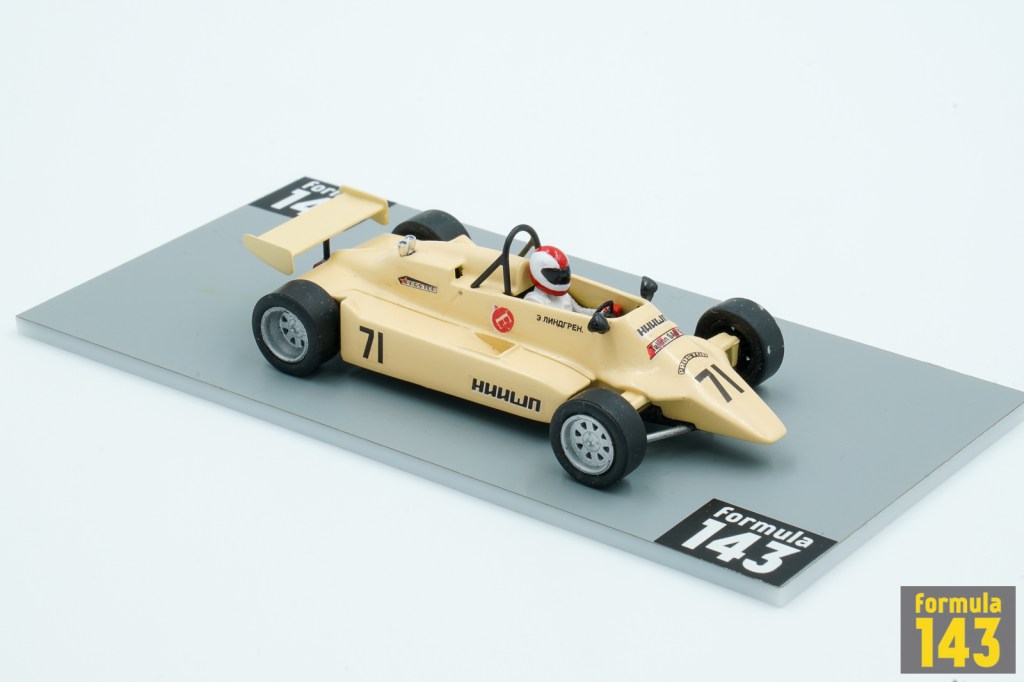
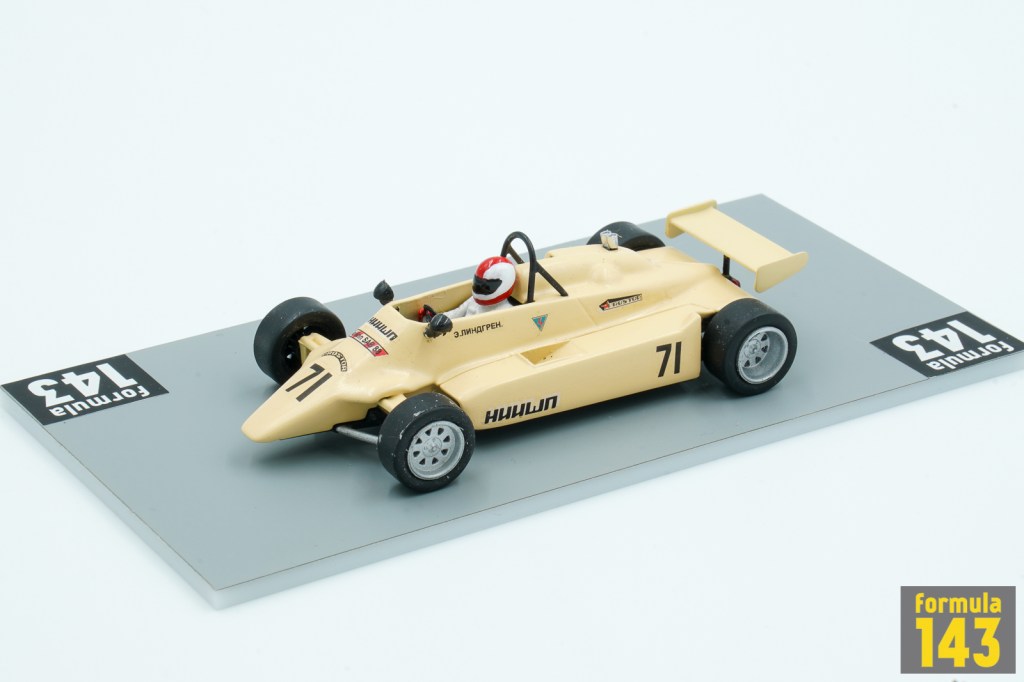
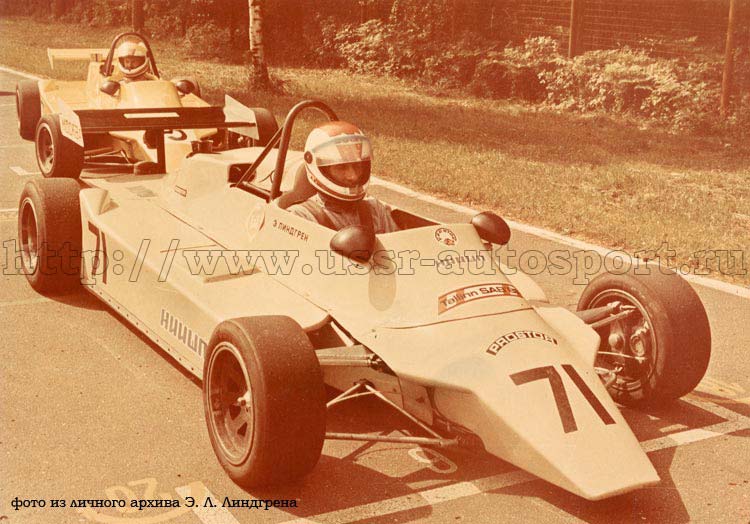
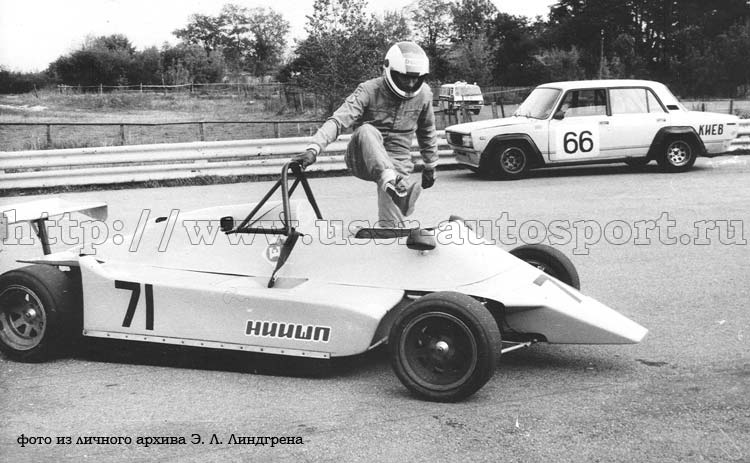
Edgar Lindgren in action: 1988 Bikernieki, Riga; 1986 Chaika, Kiev; 1987, Borovaya, Minsk; (photo source: Edgar Lindgren archive at ussr-autosport.ru; Burger353 at drive2.ru)
1988, Estonia 21M, Andris Stals, Formula Vostok, USSR Championship
Latvian racing driver Andris Stals began racing in Estonia 15M in Formula 4 in 1977. In 1979, he made his debut in the USSR Championship in Formula Junior, winning titles as Latvian champion in next few seasons. Since 1983 Stals raced in Soviet Formula 3 and since 1985 in Formula Vostok. In 1987 – 1990 he took part in the USSR Championship in formulae Vostok (1987 – 1989) and 1600 (1990). In the 1988 season he finished the series 15th, his highest placing in the national championships.
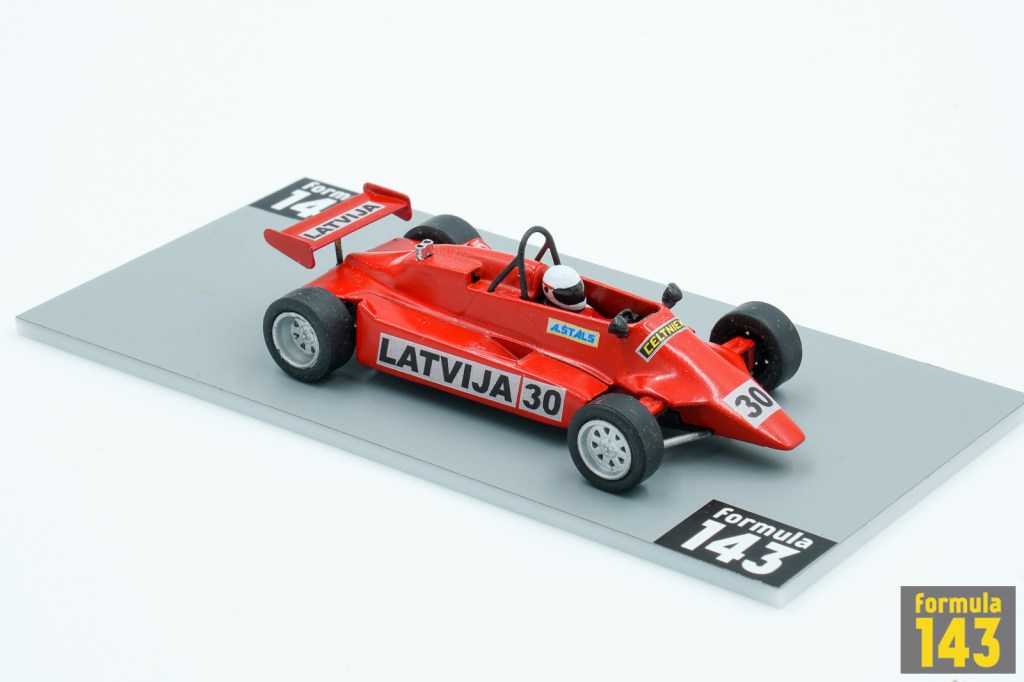
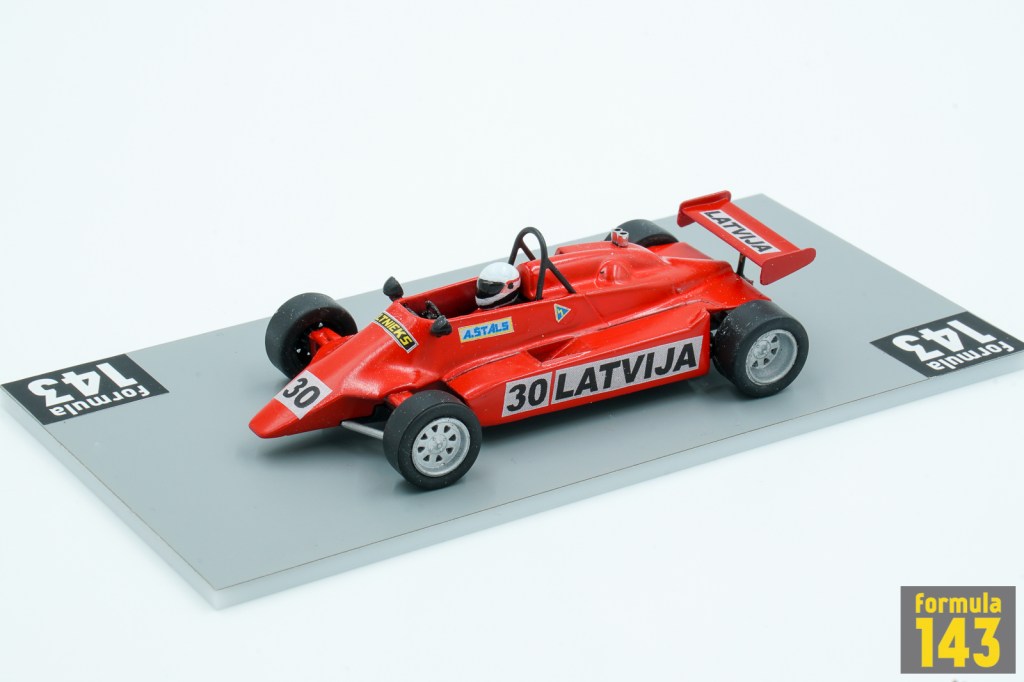
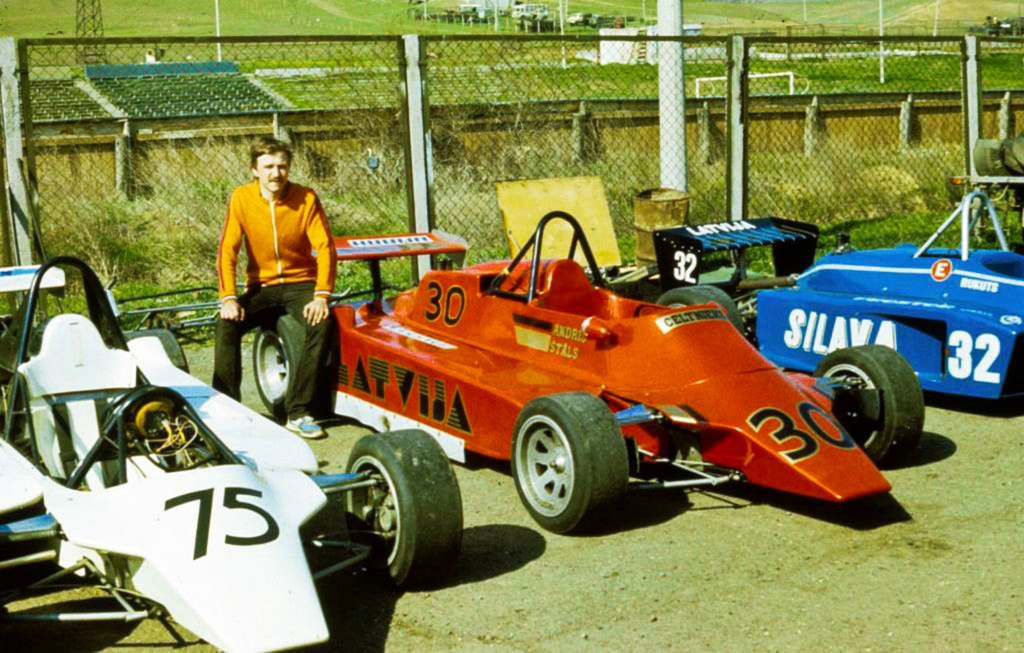
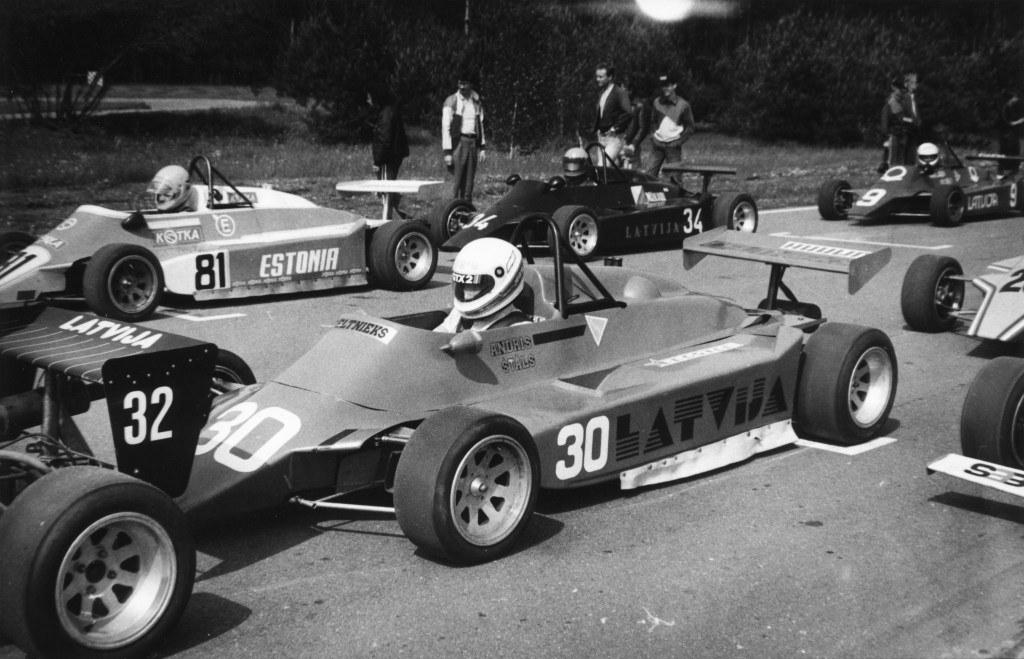
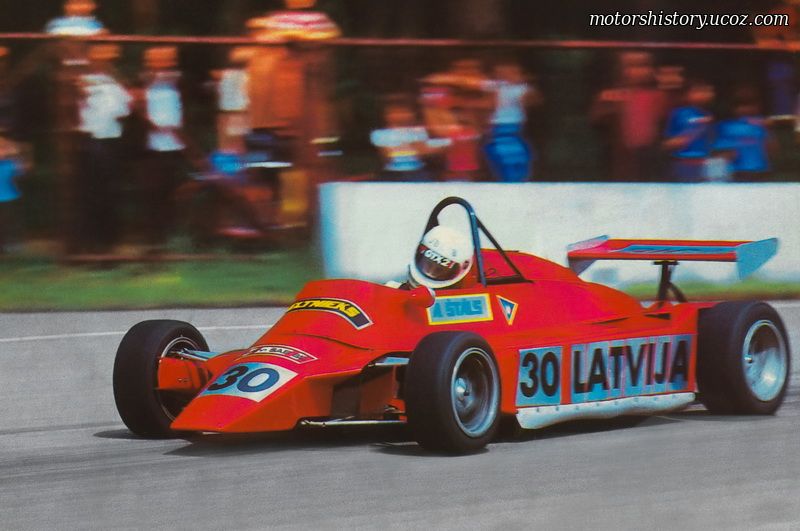
Andris Stals in 1987 – 1988 (photo source: racinghistory.lv / motorshistory.ucoz.com)
1989, Estonia 21.10, Ivars Krumins, Formula Easter, GDR Championship, Schleiz
Latvian racing driver Ivars Krumins started his career in motocross in 1970s. Since the 1978 till 1990 he raced in various single-seater formulae in the Soviet Union, representing DOSAAF Riga and taking part in USSR Championship, Baltic championship and other domestic series. In 1981 Ivars Krumins became the Baltic and Latvian champion in the Vostok formula class. In 1979 – 1989 he started in the USSR premier formula championship (F3 in 1979, F Vostok in 1980 – 1988 and Formula Mondial in 1989), finishing best overall 4th (Formula Vostok, 1986) and 5th (1982 and 1984, Formula Vostok)
From 1981 to 1989 Krumins was a member of the USSR national team and took part in few races for Peace and Friendship Cup, mostly at his home circuit of Bikernieki, Riga. His best finish in a single Cup race was 11th place at Chaika circuit near Kiev in 1981.
The model represents Krumins in his Estonia 21.10 M from the 1989 season as raced at the international Schleiz Dreieck race in the East Germany. In the 1989 Krumins took part in the Soviet Formula Mondial Championship. He started only in one of three races of the series (at his home circuit of Bikernieki in June), where he finished 5th. Krumins was classified 13th with 40 points in the final standings of the series.
In August, Krumins went to the GDR to participate in the Schleiz races as part of the USSR team. The main race at Schleiz was the stage of the Peace and Friendship Cup. Krumins and his friend Andris Stals were not included in the main team and started as non-championship guest drivers in the GDR championship race, in which cars of the 1300 and 1600 cc classes competed together. In this race, Krumins finished third, behind the Czech Adolf Fesarek and the GDR champion Bernd Kasper.
Note Krumins’ racing number – 175, a combination of his usual number 75 and an additional digit 1. The fact is that at that time the number was assigned to the racer for many seasons. Krumins competed under the number 75, since at the Friendship Cup races the USSR was assigned numbers 60-79, while for the GDR, for example, the numbers were 80-99. When guest racers competed in other competitions abroad, the numbers could overlap with the numbers of other local racers. For example, within the GDR at that time, the number 75 was assigned to Volkmar Stockmann, who raced in the same Schleiz event.
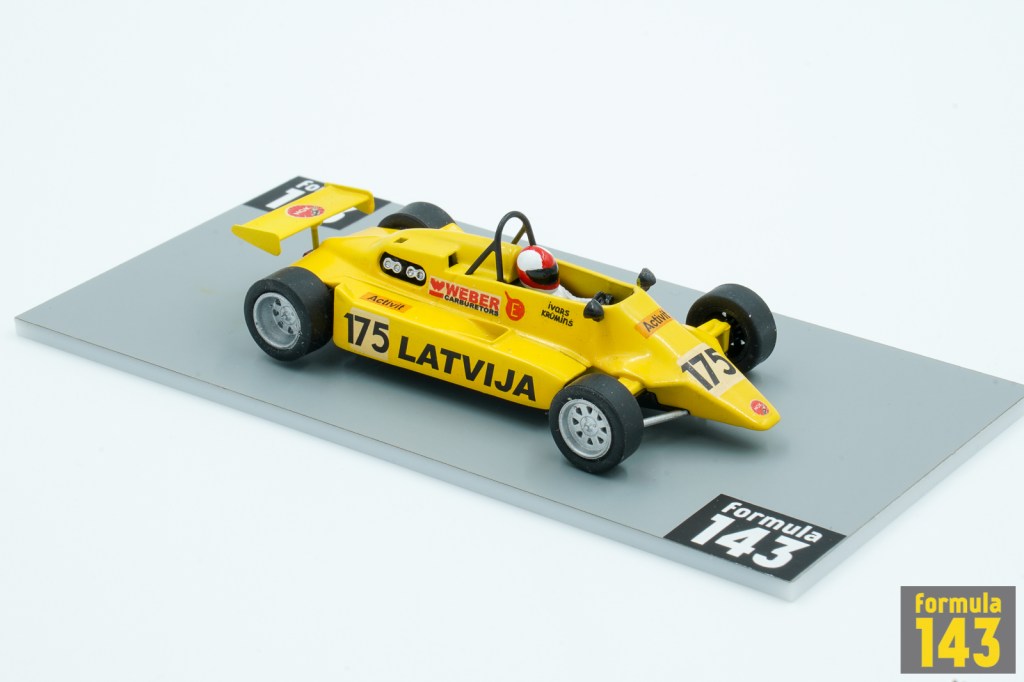
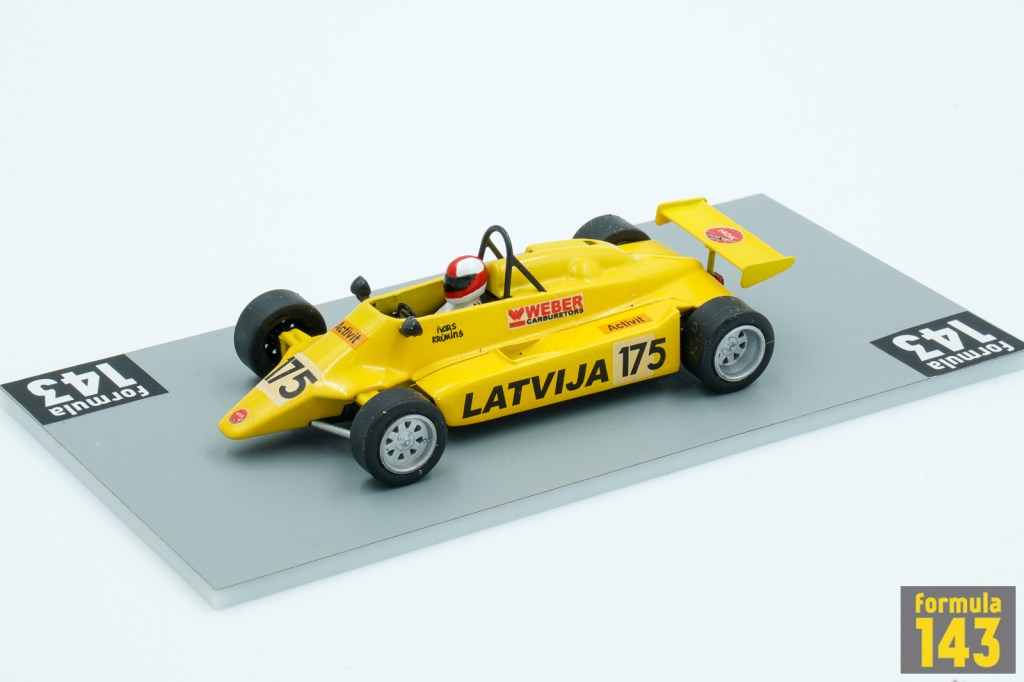
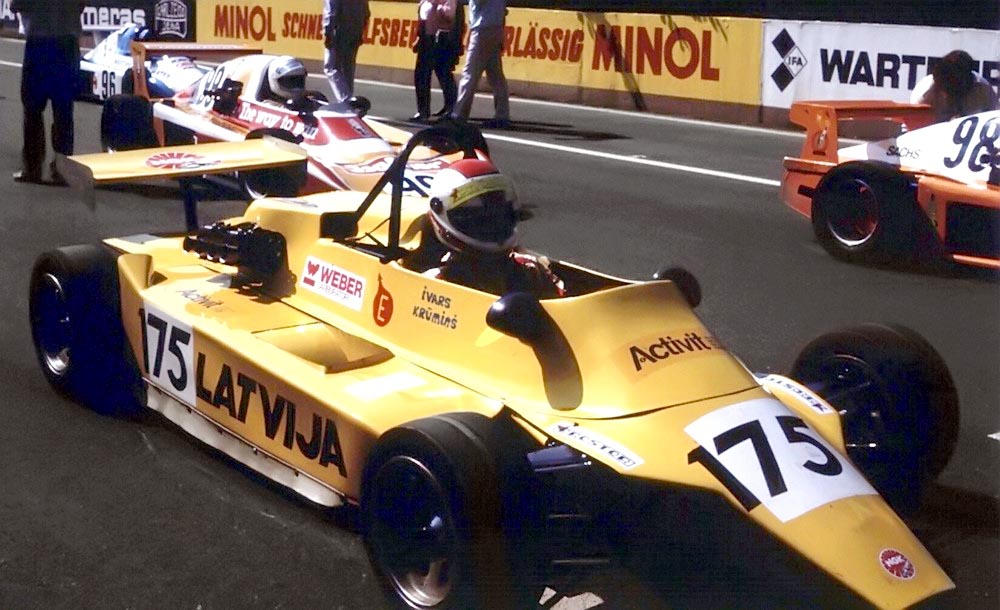
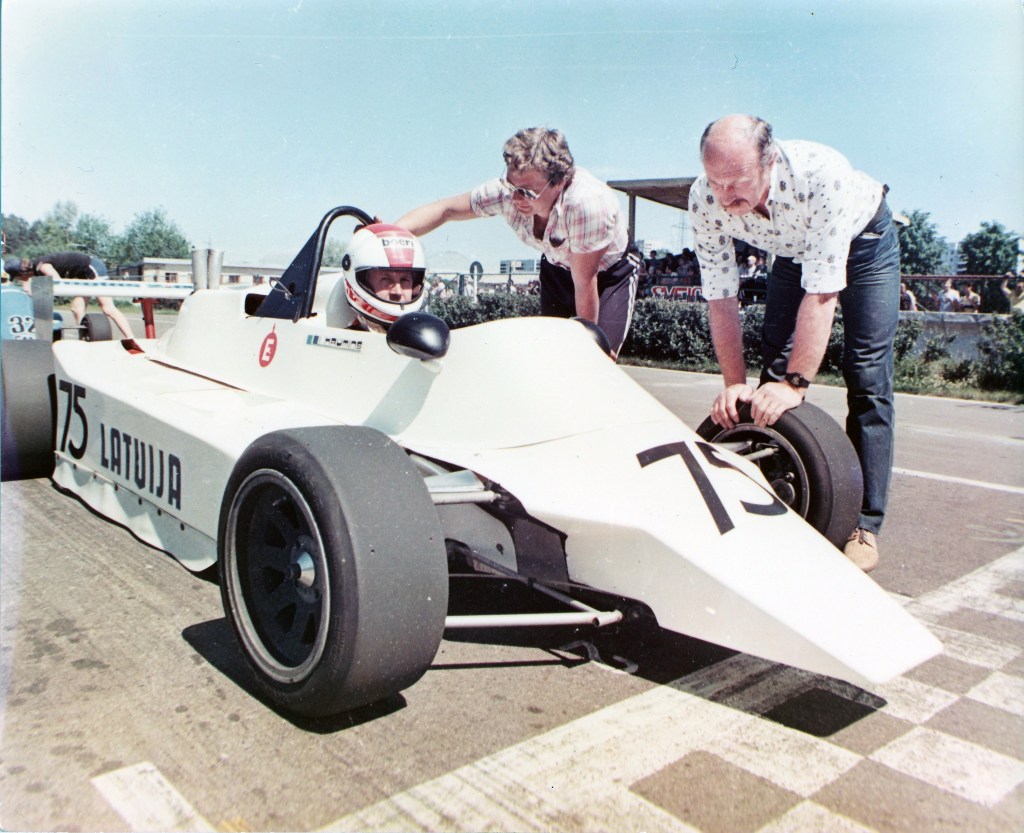
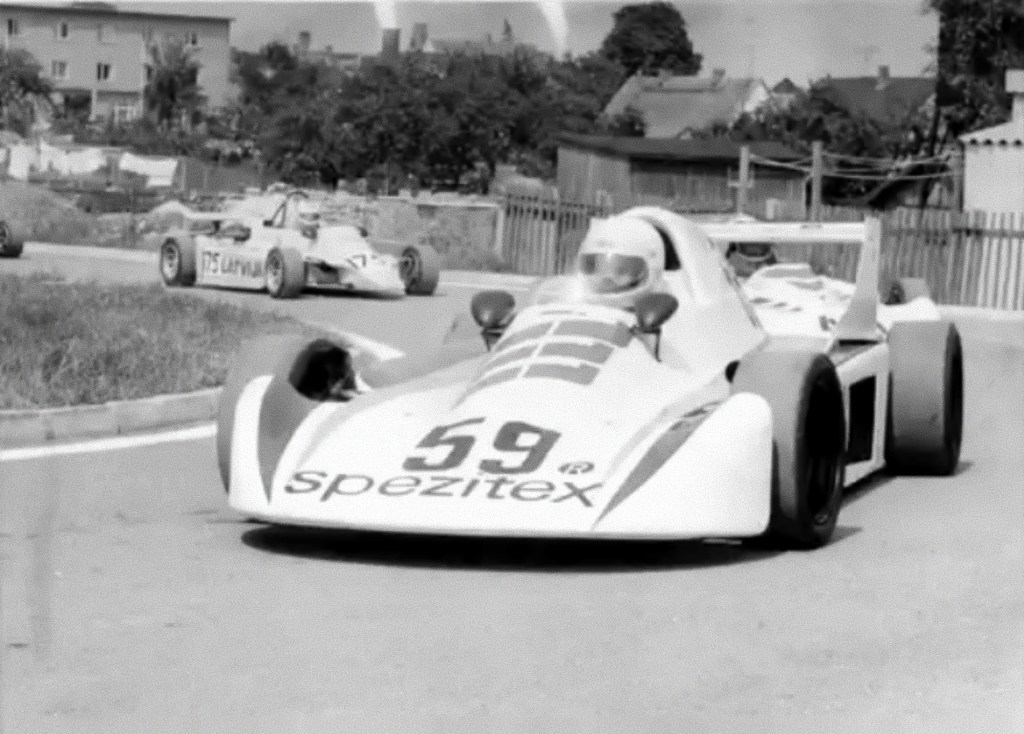
Ivars Krumins. Photos 1 and 3 – 1989 Schleiz race, car 59 – Steffen Kammerer’s MT-77 from 1300 cc class (photo source: racinghistoru.lv / http://www.ddr-formel1.de / vk avto-moto-sport-v-sssr)
1990, Estonia 21M, Aleksandr Pothekhin, Peace and Friendship Cup
Potekhin began racing in karting in mid-1960s. In 1978 he started working as a mechanic in the MADI (Moscow Automobile and Road Construction State Technical University) laboratory. In 1979 he made his debut in the Formula Vostok, racing an Estonia 18M in the MADI team. A year later he raced an Estonia 15M in the Soviet Formula 4 championship. In the 1981 season he made his debut in an Estonia 20 in the Soviet Formula 3, finishing sixth in the classification. Potekhin continued to race in Soviet Formula 3 until 1986 when he became a champion. In 1987 – 1988 he competed in Soviet Formula Vostok Championship with Estonia 21M, and in 1989 – 1990 in Soviet Formula Mondial with the same car. Pothehin became the member of the USSR national team in Peace and Friendship Cup in 1989. That year he was 3rd in the general classification of the Cup behind his team-mates Viktor Kozankov and Toivo Asmer, finishing on podiums in each of the four races of the series. Potekhin became the champion of the Cup next season, when the Cup switched to Formula Mondial. Aleksander won the race at Schleizer Dreieck in the last edition of the major racing series of the Eastern Bloc.
After the collapse of the USSR, he continued racing in Russian national single-seater series competing with his principal rival Viktor Kozankov. In 1994 and 1997, Pothekhin became the Russian champion in Formula 1600.
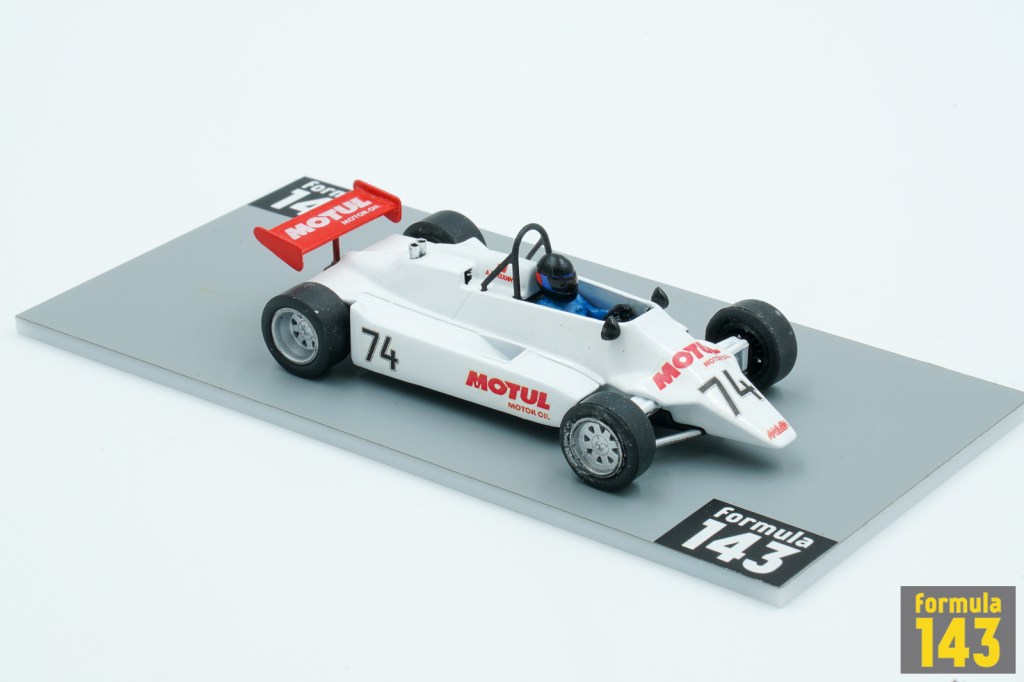
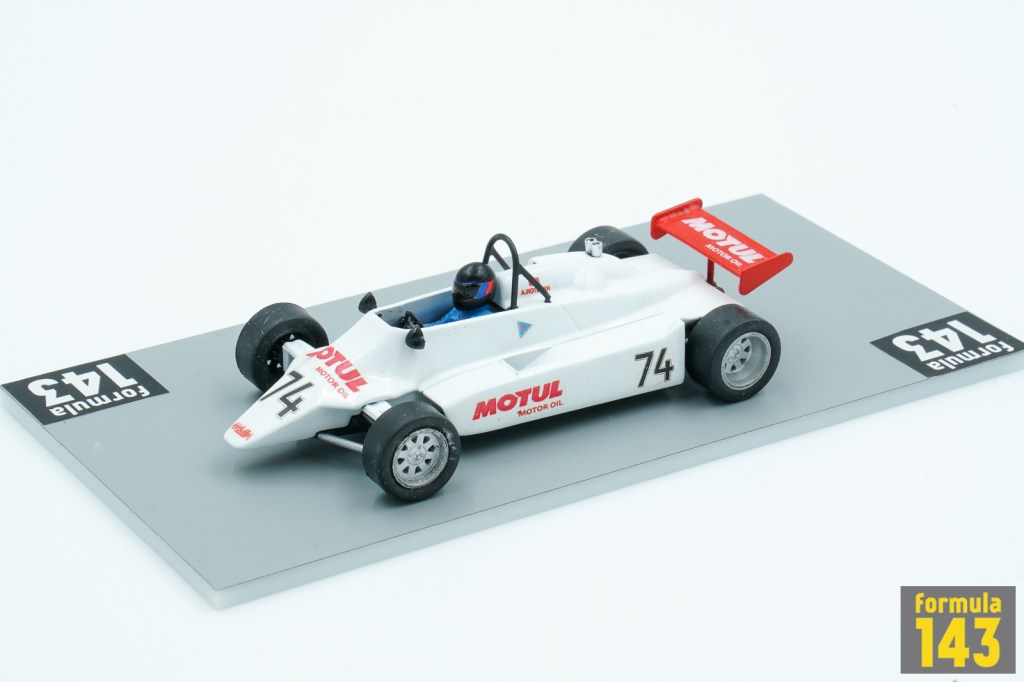
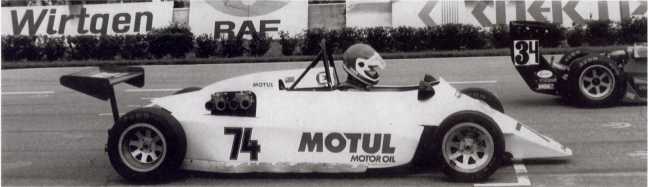
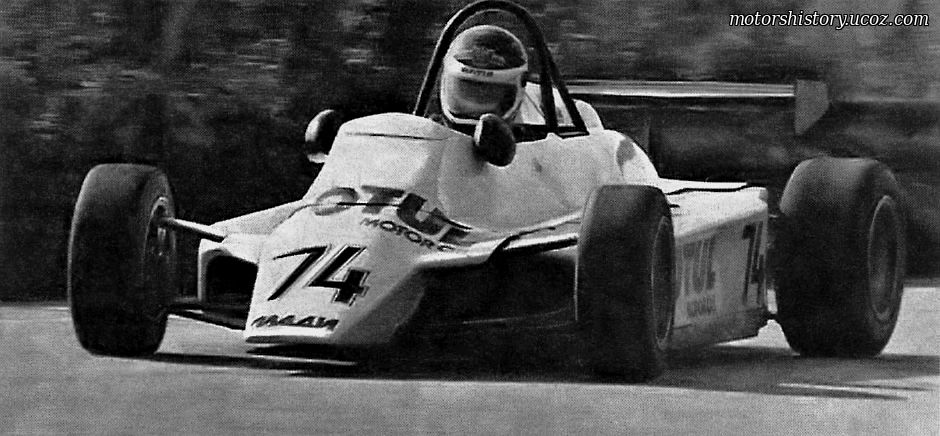
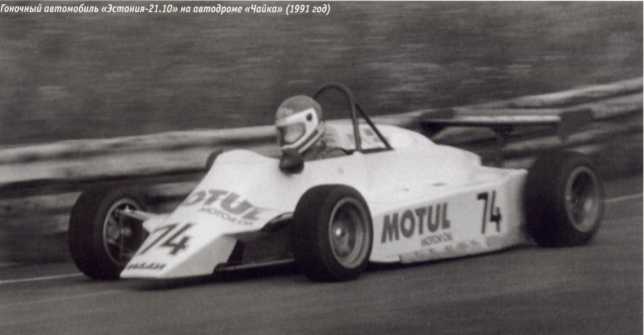
Aleksandr Potekhin in 1990 – 1991 (photo source: motorshistory.ucoz.com / unknown / Avtolegendy SSSR magazine)
 formula143